Commercial & Industrial Flooring in Ontario
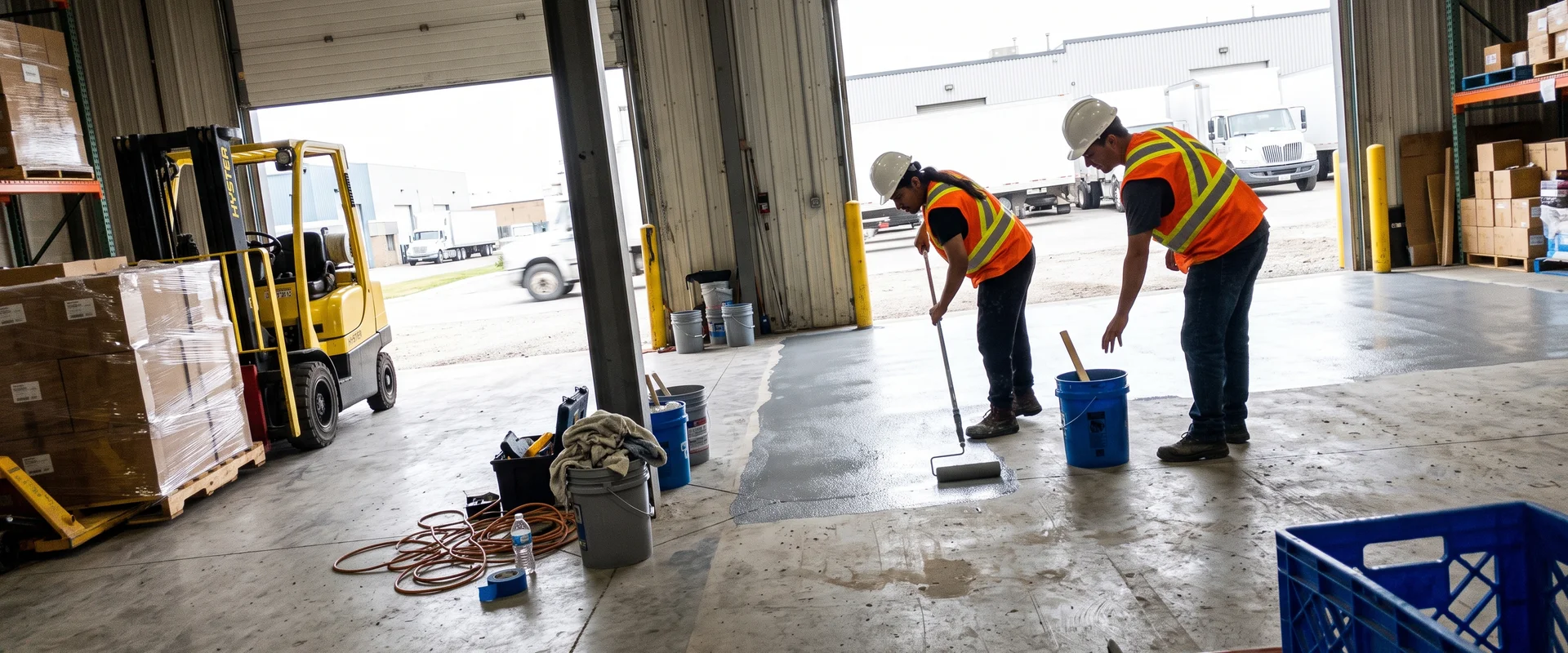
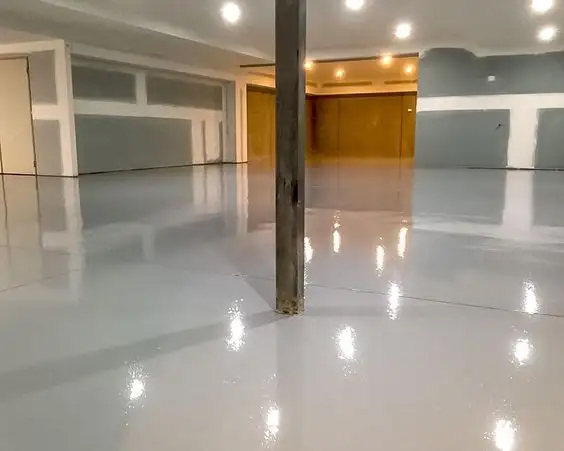
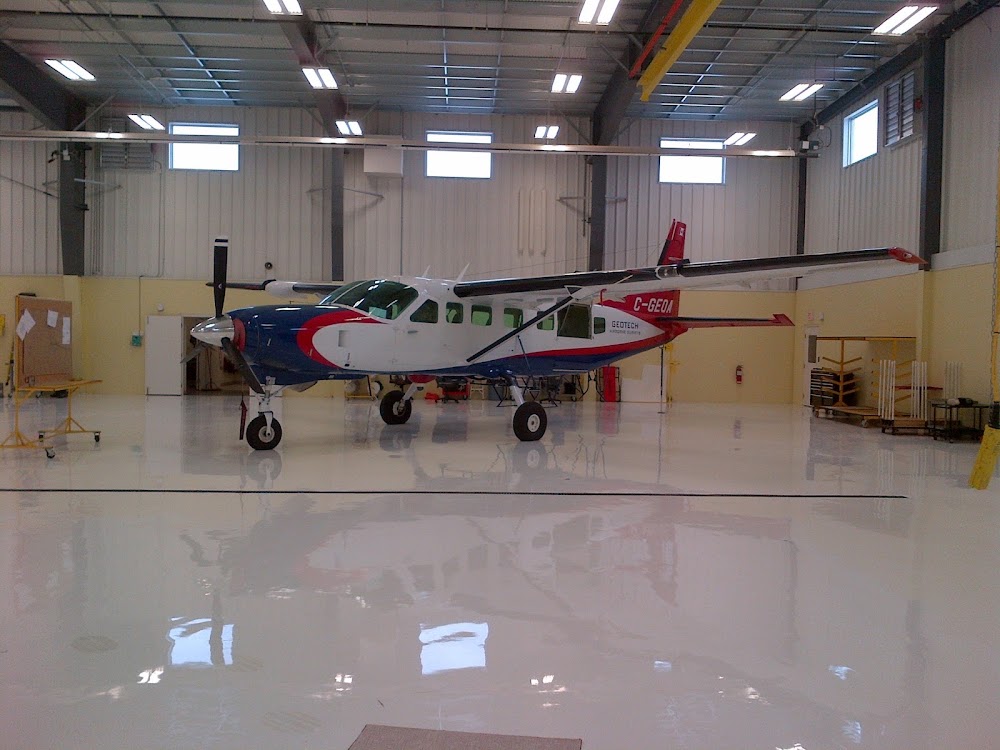
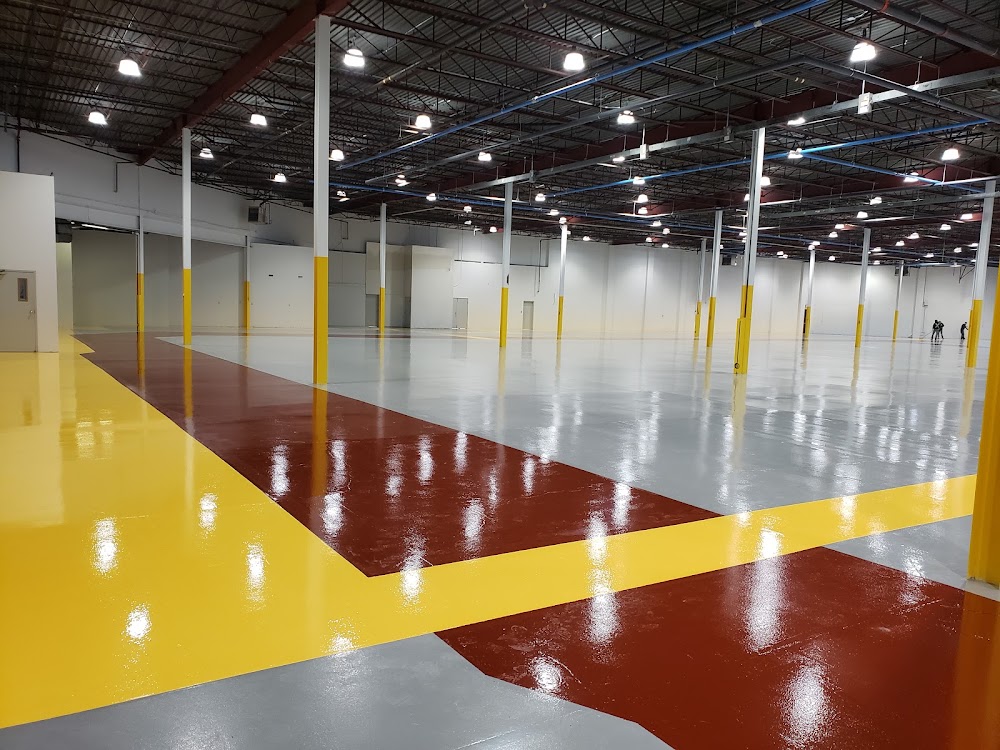
Commercial and industrial flooring covers the resin systems (epoxy, polyurea, polyaspartic, and blended MMA coatings) used in warehouses, manufacturing plants, auto shops, food processing facilities, distribution centers, and retail floors across Ontario. Unlike a residential garage coat, these jobs deal with forklift traffic, chemical exposure, thermal shock from wash-down, or continuous foot traffic in a public space. The right system depends on the load, the chemicals on site, whether the floor needs slip resistance, and how much downtime the business can afford for the install. We track 63 companies in Ontario doing this work.
What the job actually involves
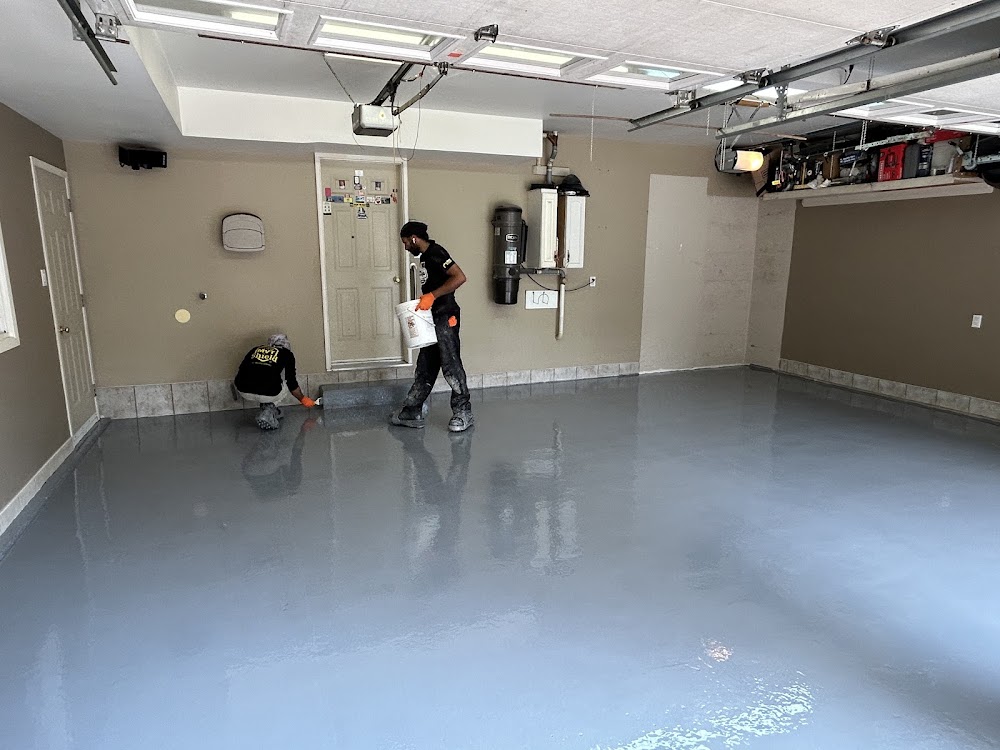
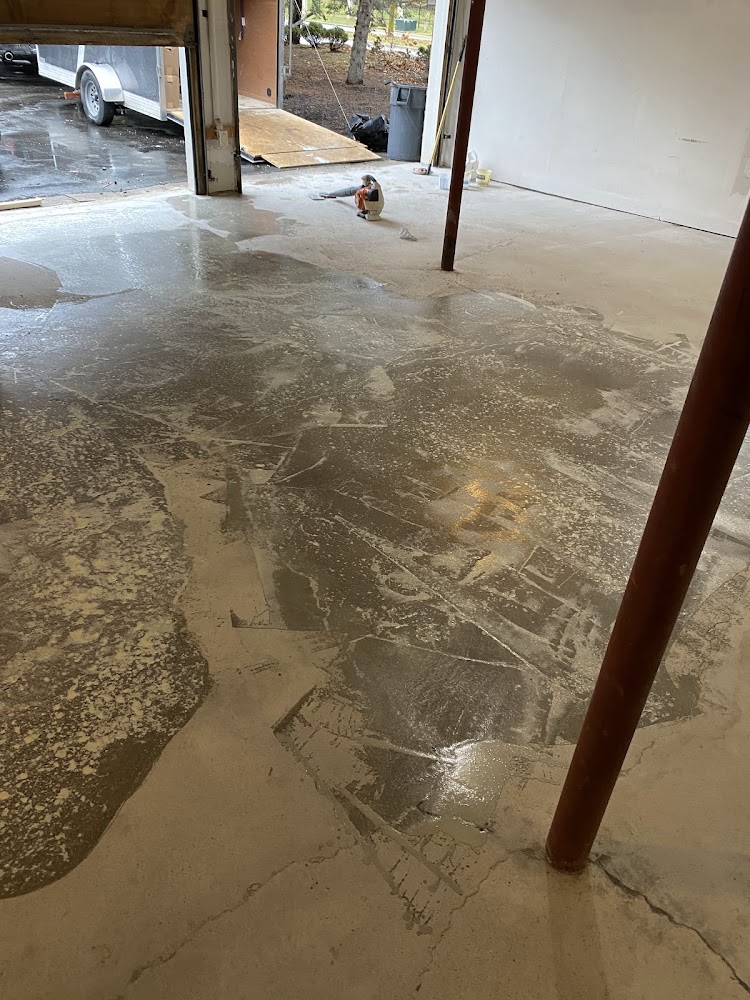
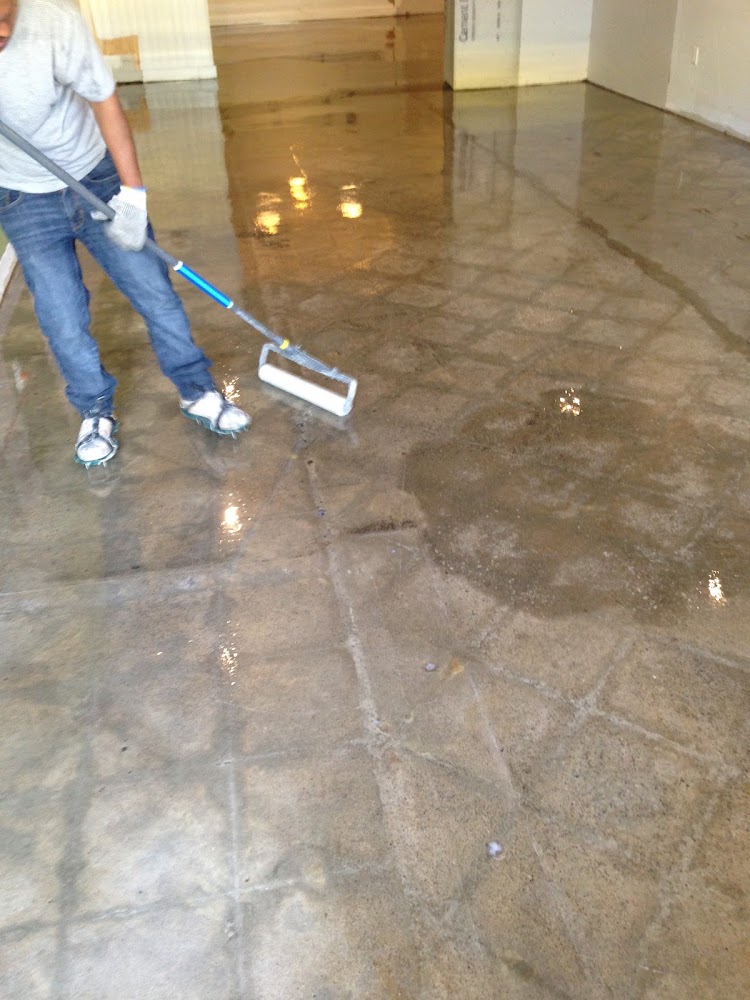
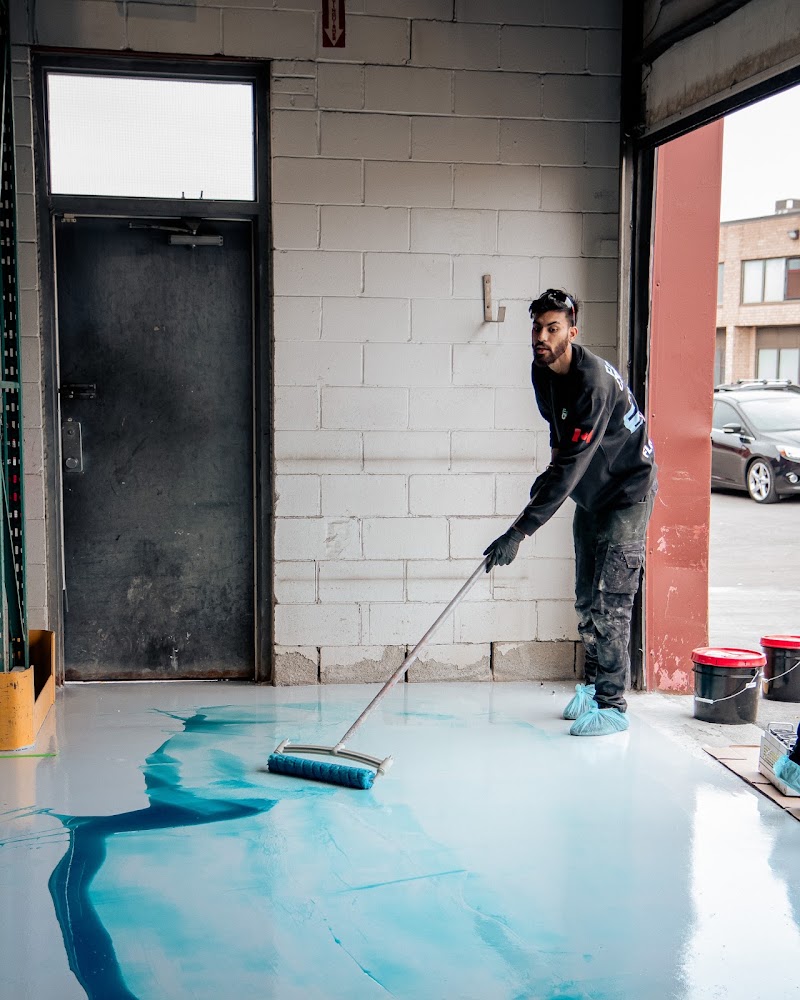
A proper commercial install starts with concrete moisture testing and surface profiling (usually diamond grinding or shot blasting, not just acid etching), then a build-up of primer, body coat, and topcoat matched to the traffic and exposure. Cure schedules matter here: a plant that can't shut down for a week needs a crew that can work in phases or use fast-cure polyaspartic and polyurea systems instead of standard epoxy. Warranty terms, chemical resistance data, and slip-rating (coefficient of friction) should all be spelled out in the quote, not just implied.
What to check before you sign a contract
- Whether they test concrete moisture and vapor emission before quoting, not after problems show up
- Experience with your specific environment: food-grade, pharmaceutical, automotive, or heavy manufacturing each has different code and chemical requirements
- Written warranty terms covering delamination, not just a verbal promise
- References from similar-scale commercial or industrial jobs, not just residential garages
- Insurance and liability coverage appropriate for working inside an active facility
How our scoring works
We rank companies using verified reviews, evidence of commercial and industrial project experience, licensing, and consistency of service over time. Businesses that only show residential garage photos or lack verifiable commercial references score lower even if their review count looks fine. For the full ranked list with scores and reasoning, see the best epoxy flooring companies guide. Our methodology page breaks down exactly how each score is calculated.
Find commercial & industrial flooring for your project
No cost, no commitment. Share what you need and we'll connect you with qualified epoxy flooring companies.
All commercial & industrial flooring, ranked by score and relevance
We found 111 businesses offering commercial & industrial flooring; 96 met the criteria for the scored directory. The order weighs each business's overall score by how much of its reviewed work is commercial & industrial flooring, so a lower-scored specialist can rank above a higher-scored generalist. Filter and sort below, or open the full map view.
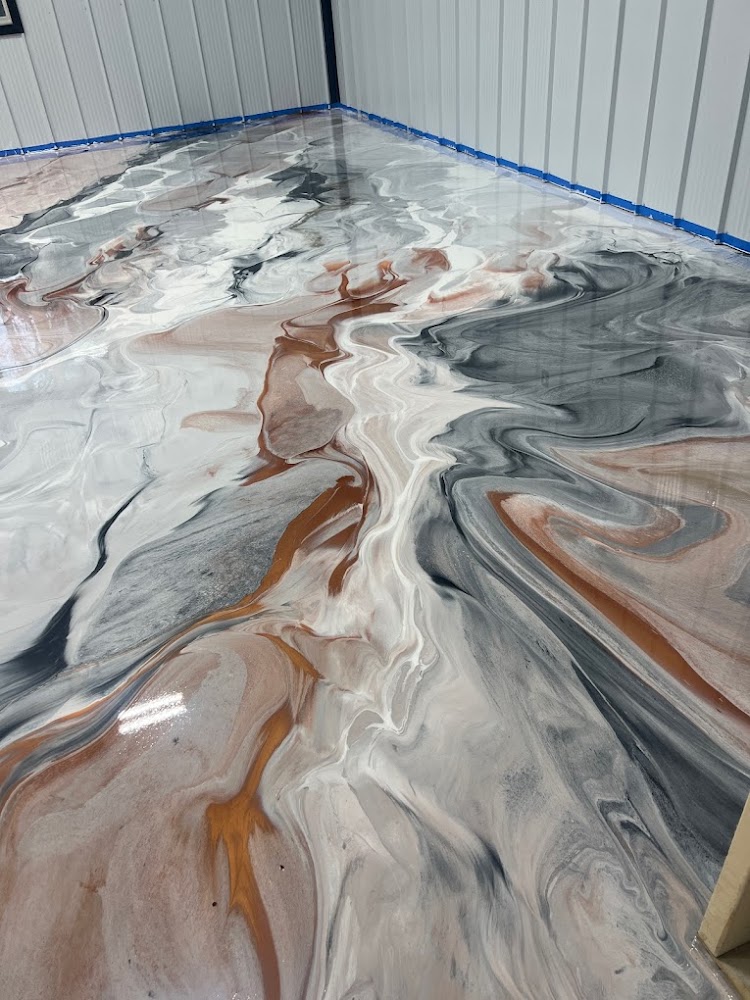
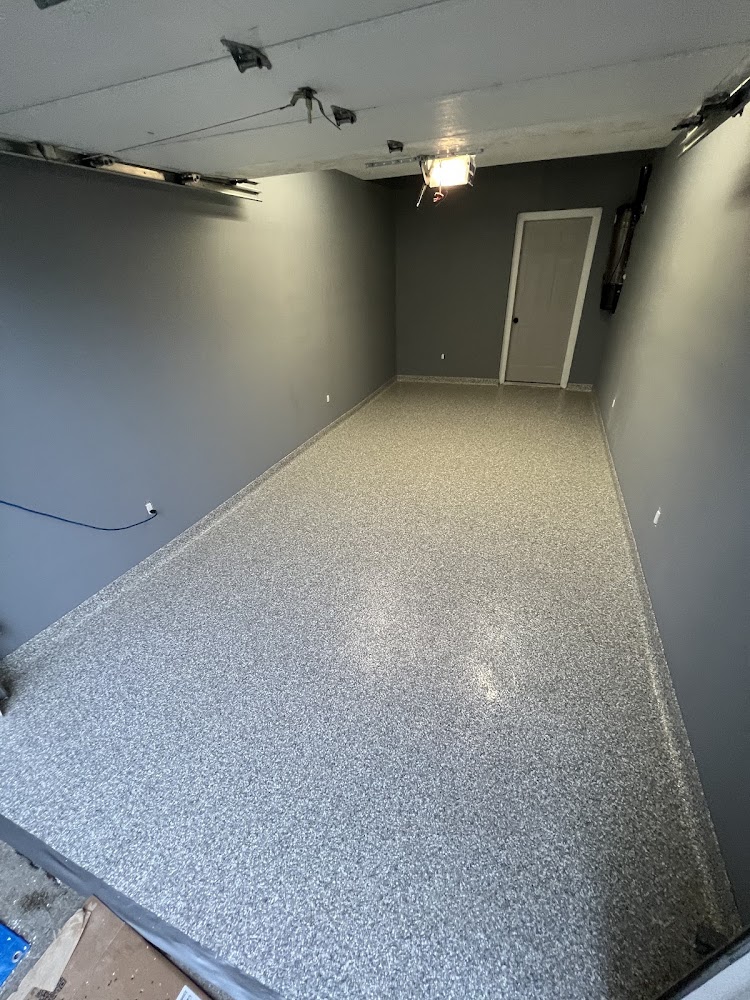
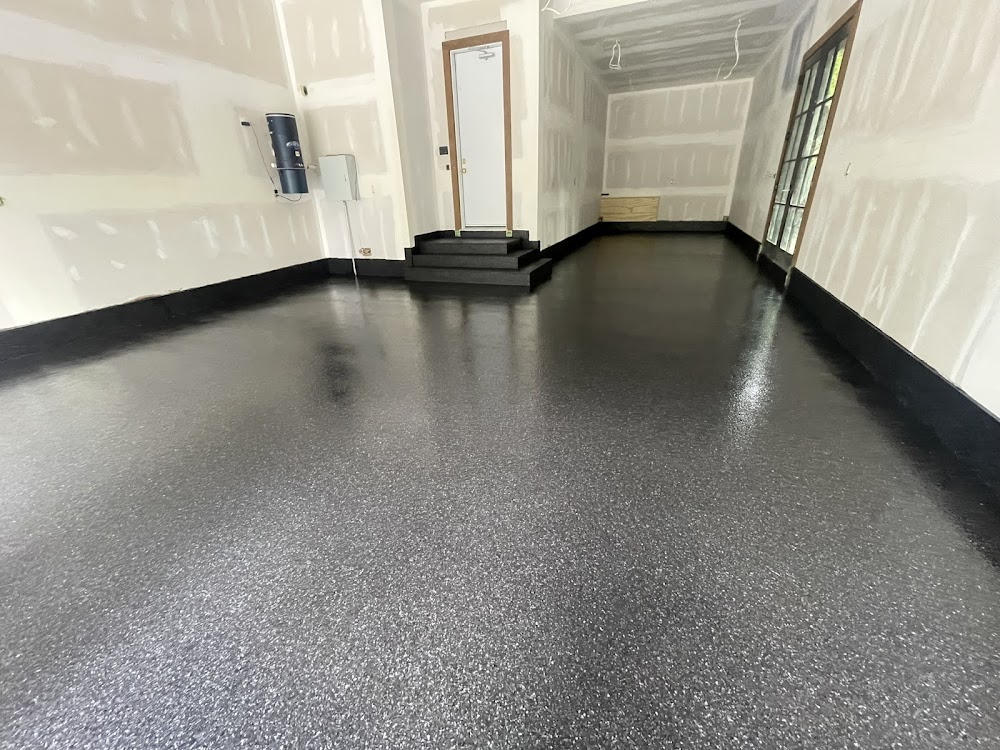
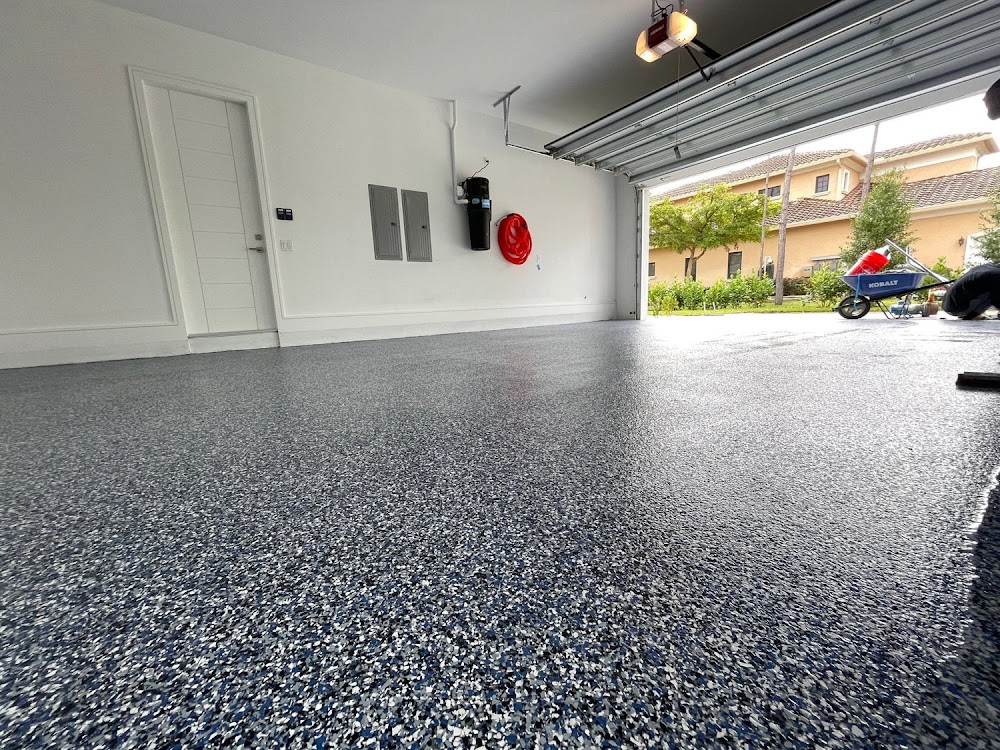
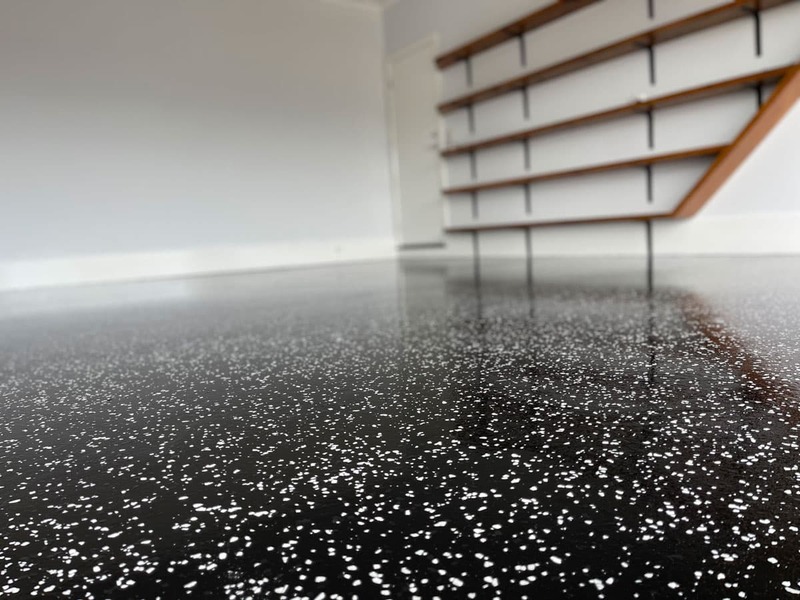
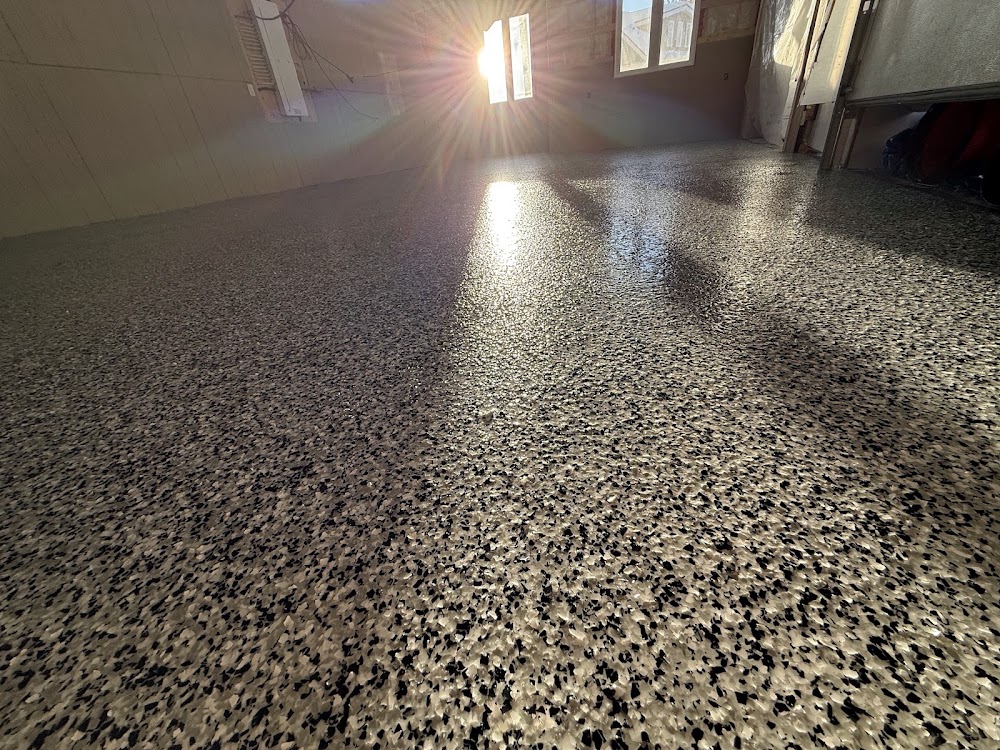
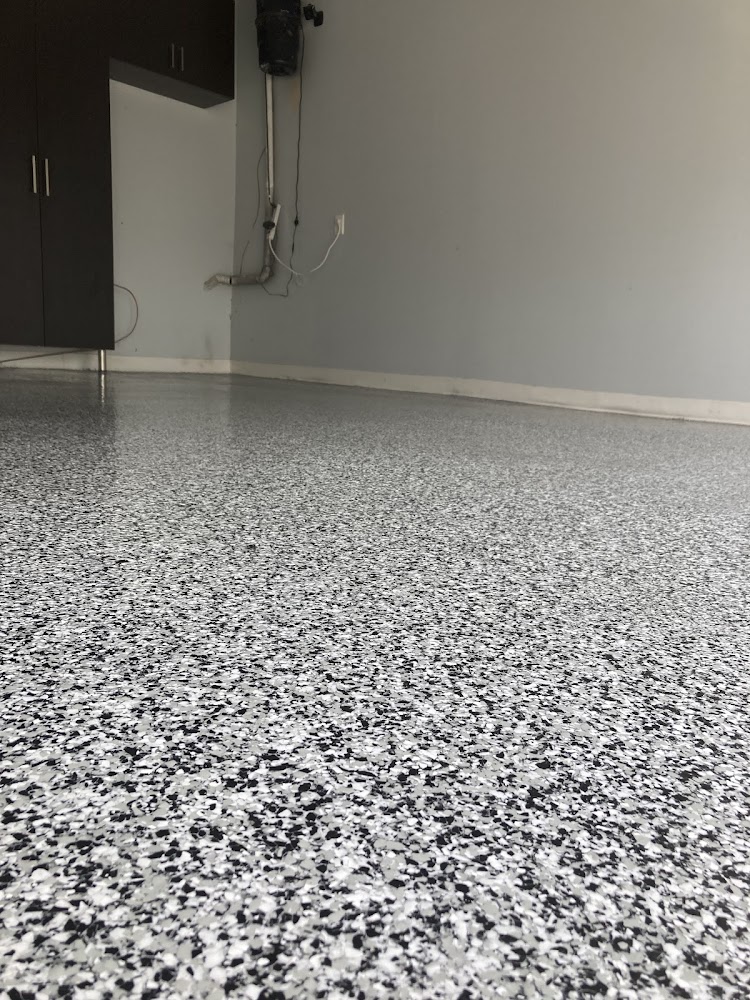
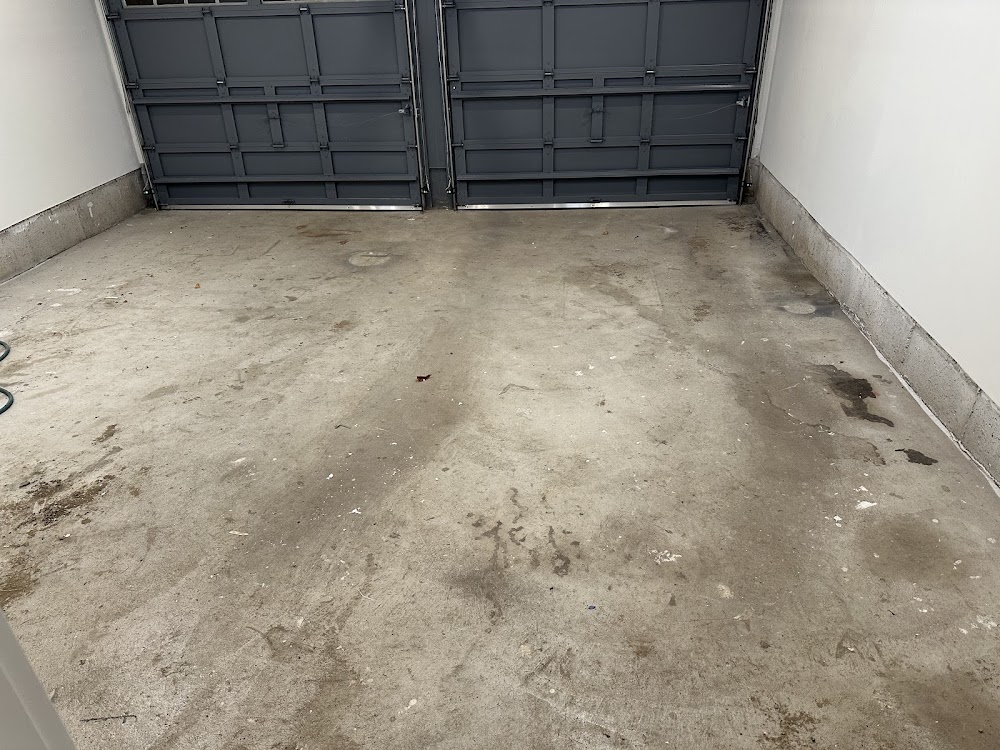
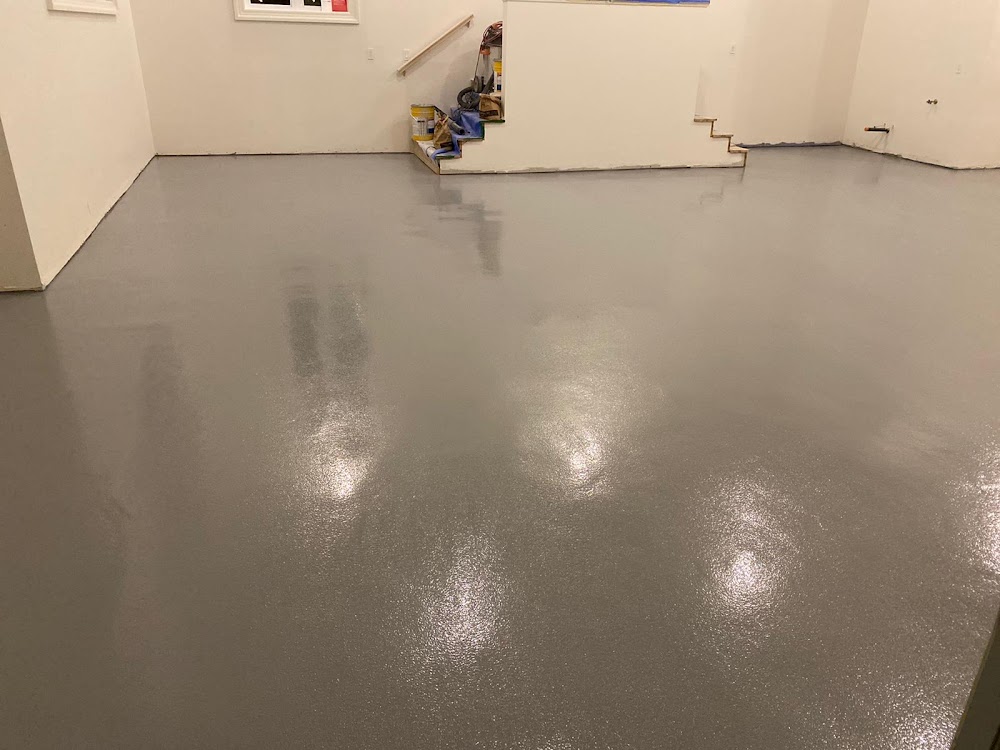
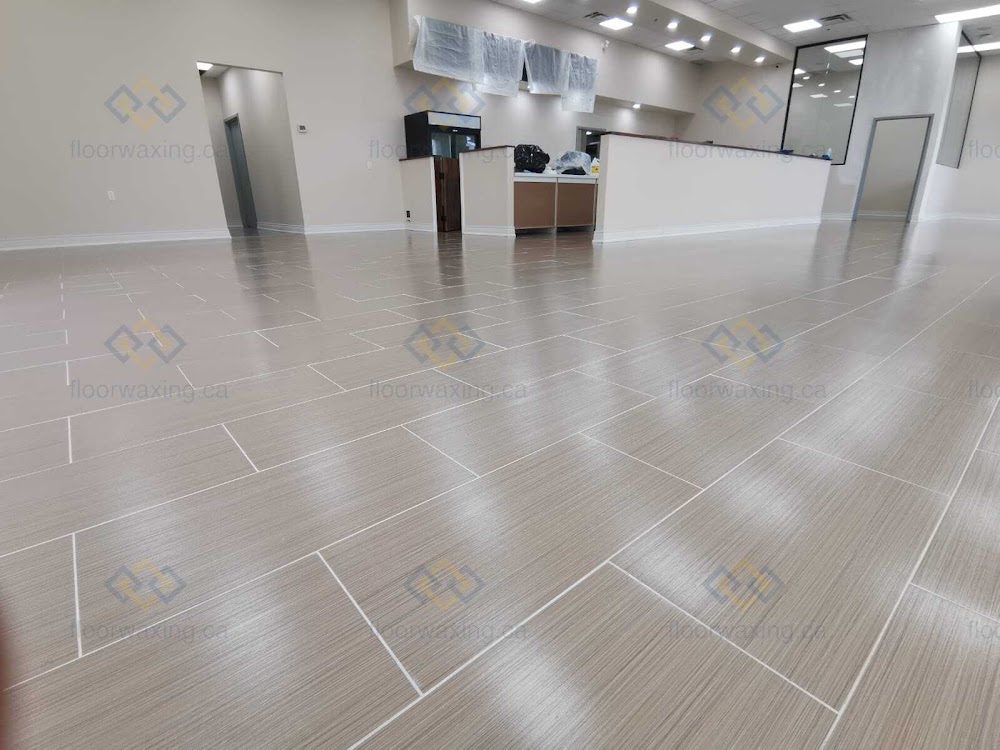
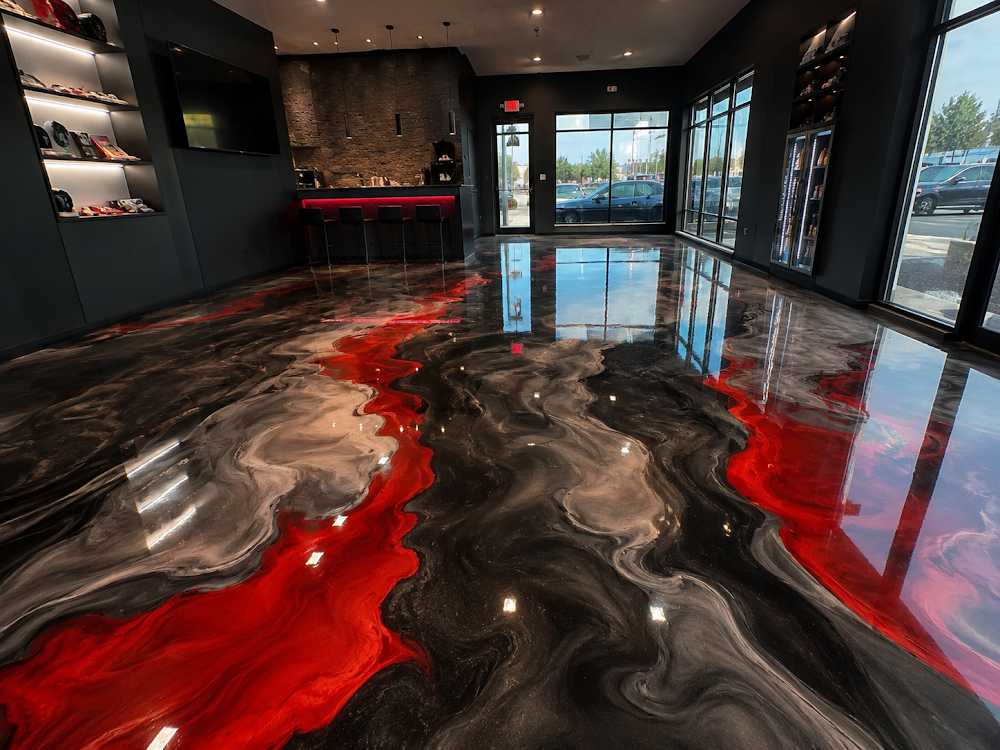
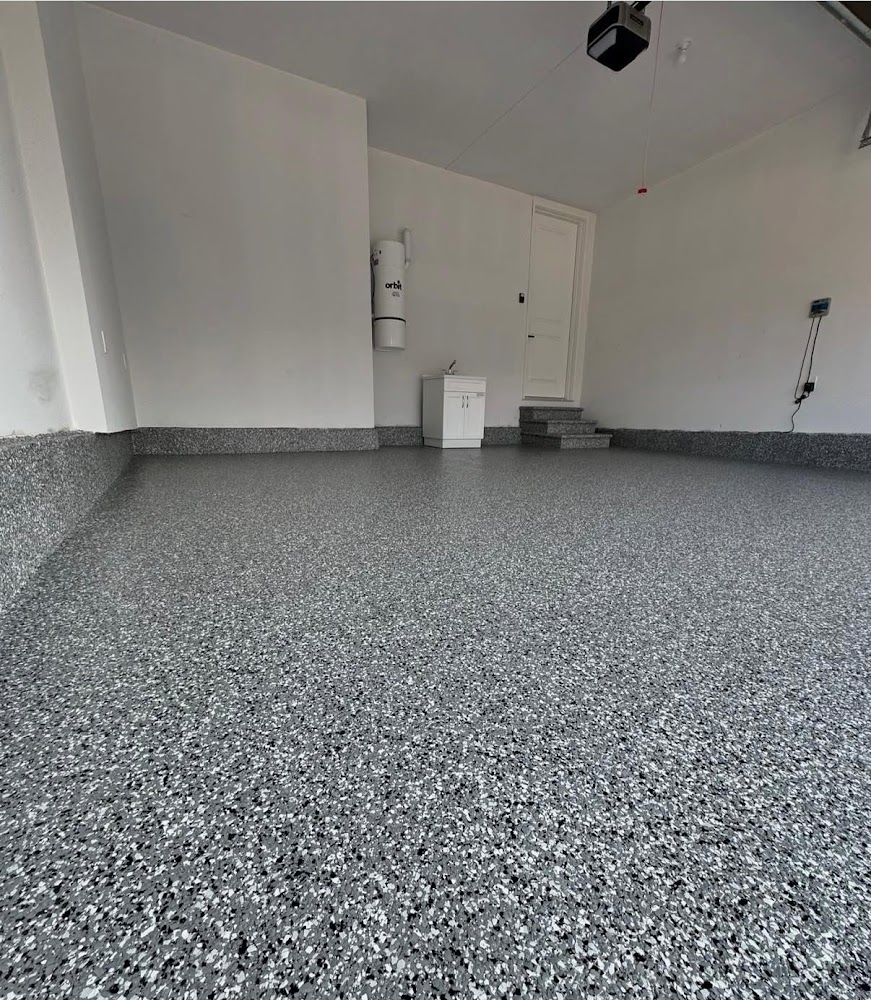
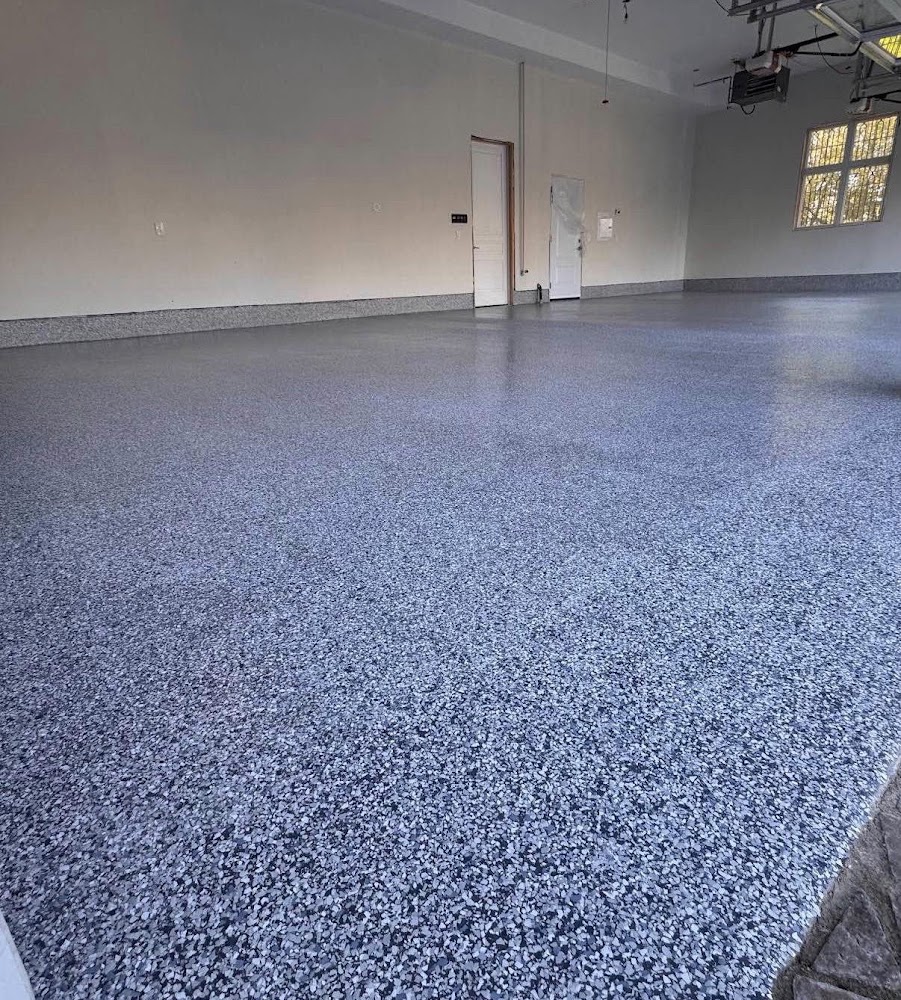
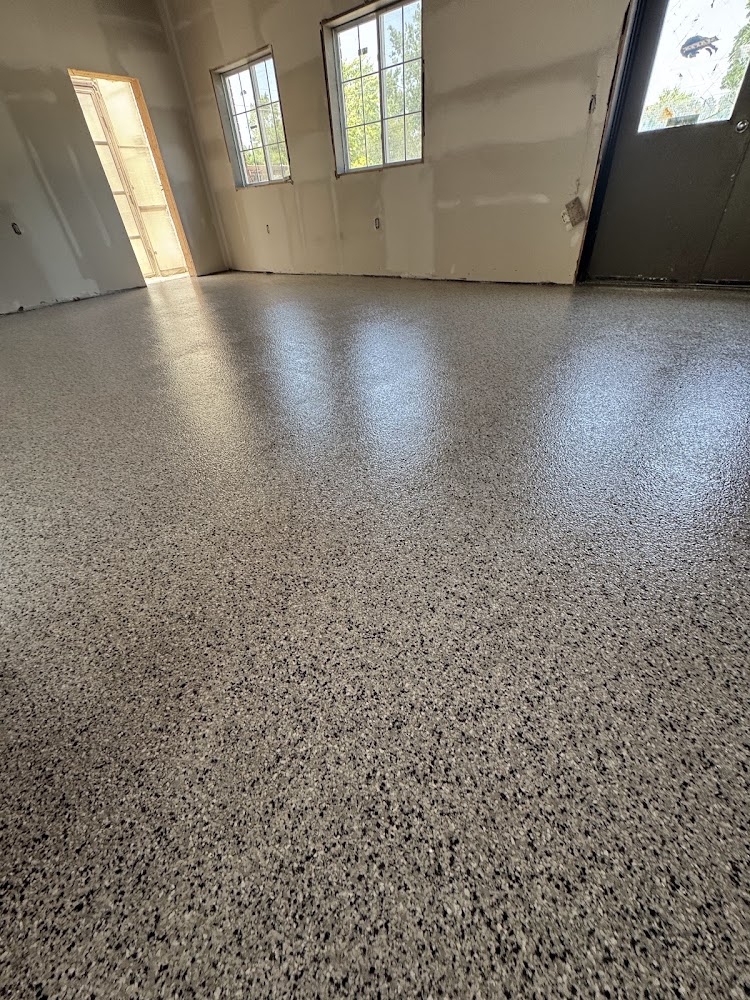
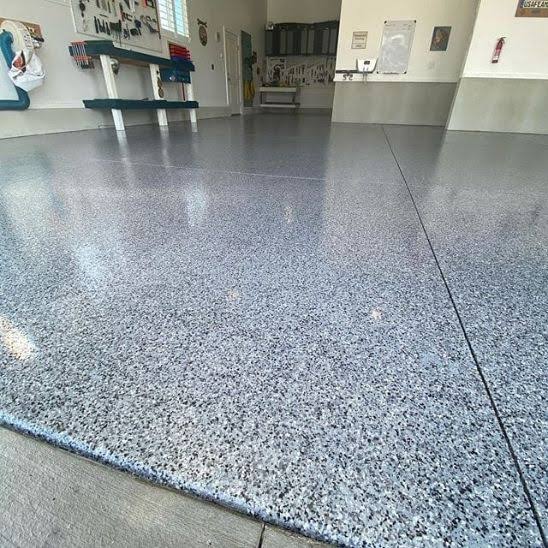
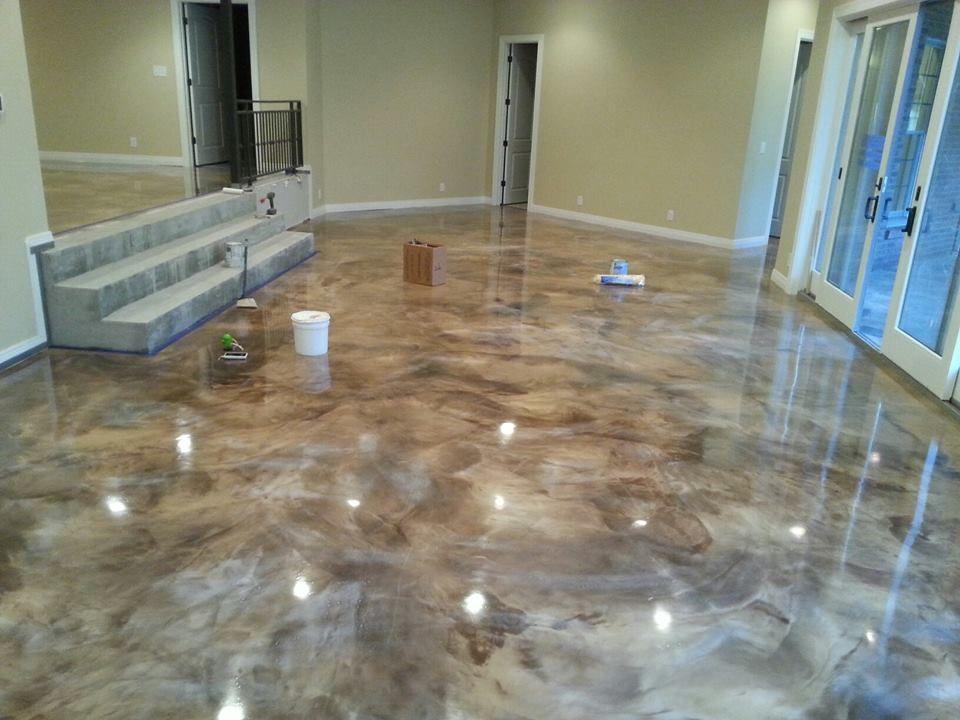
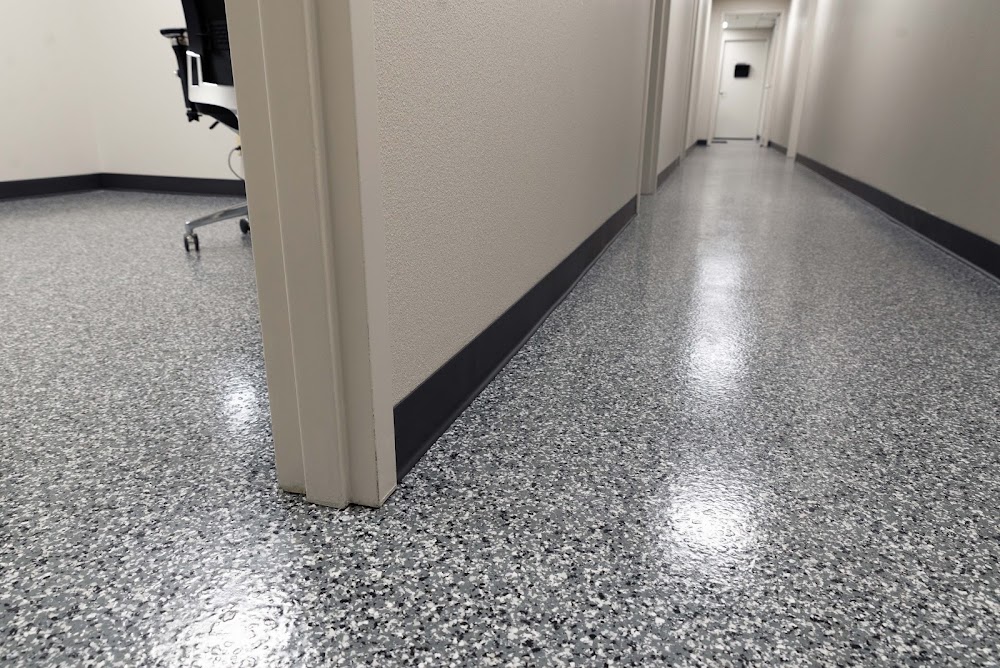
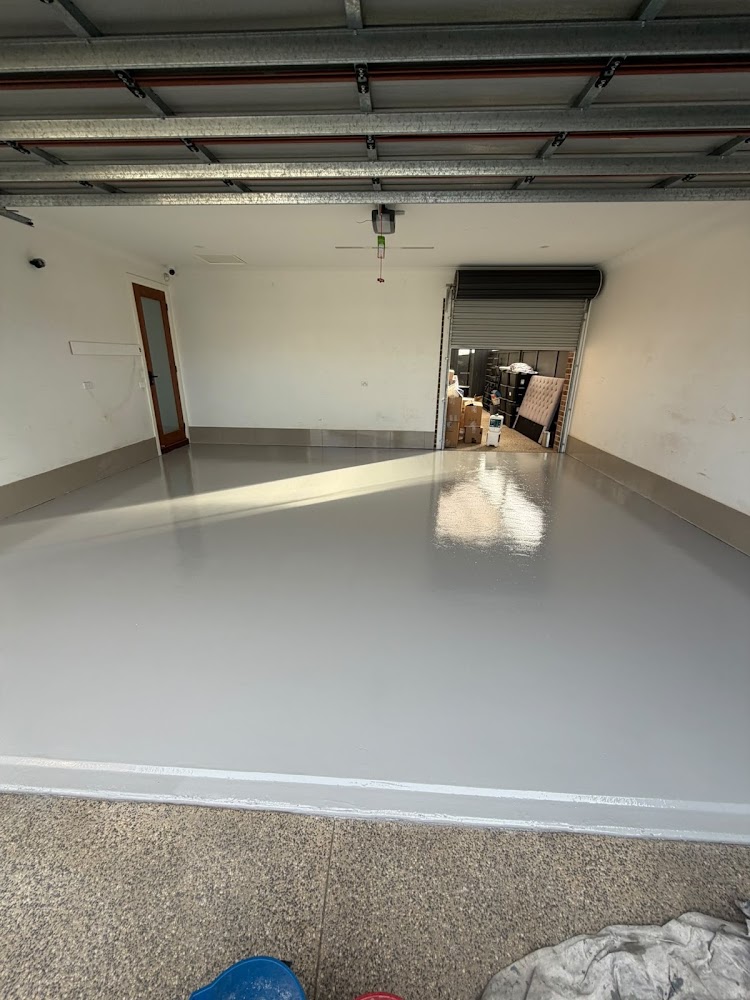
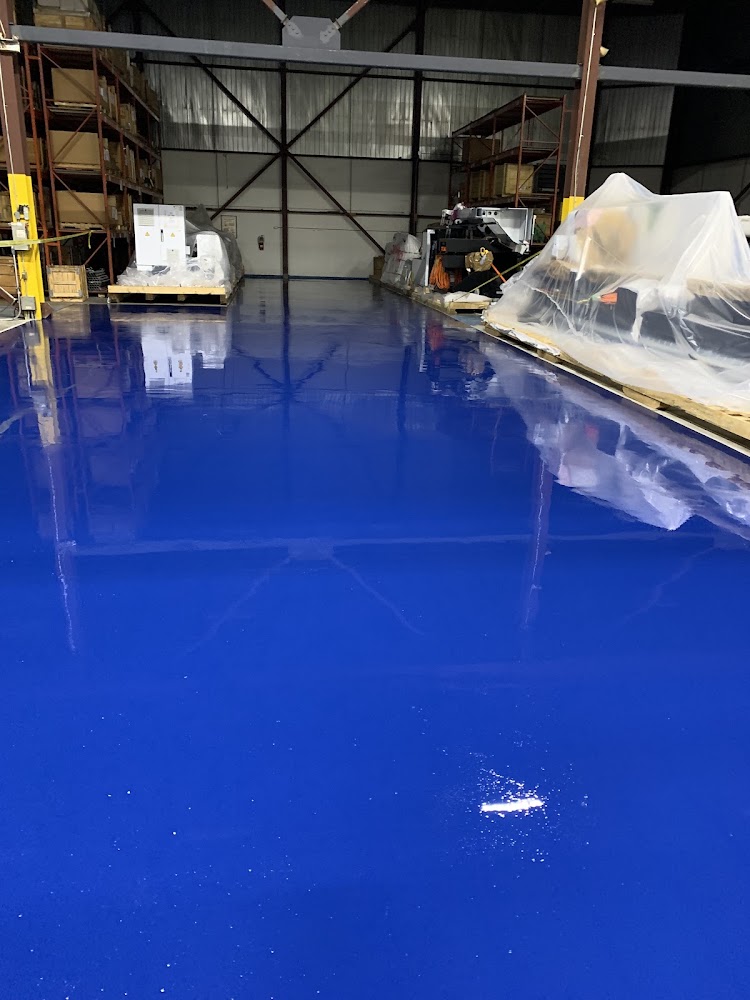
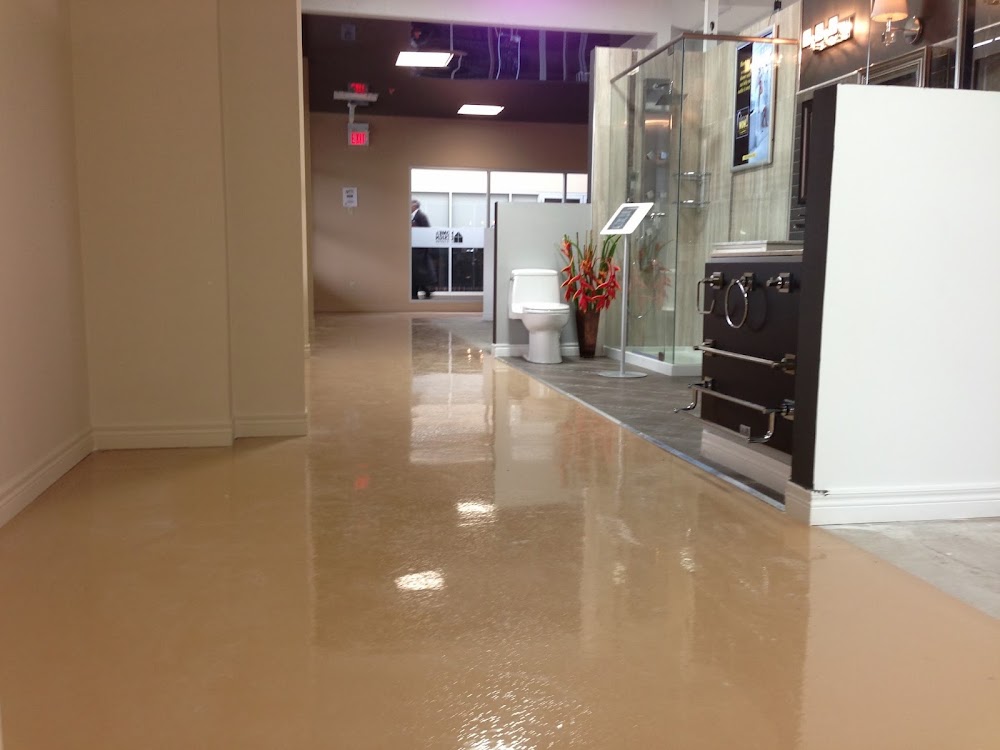
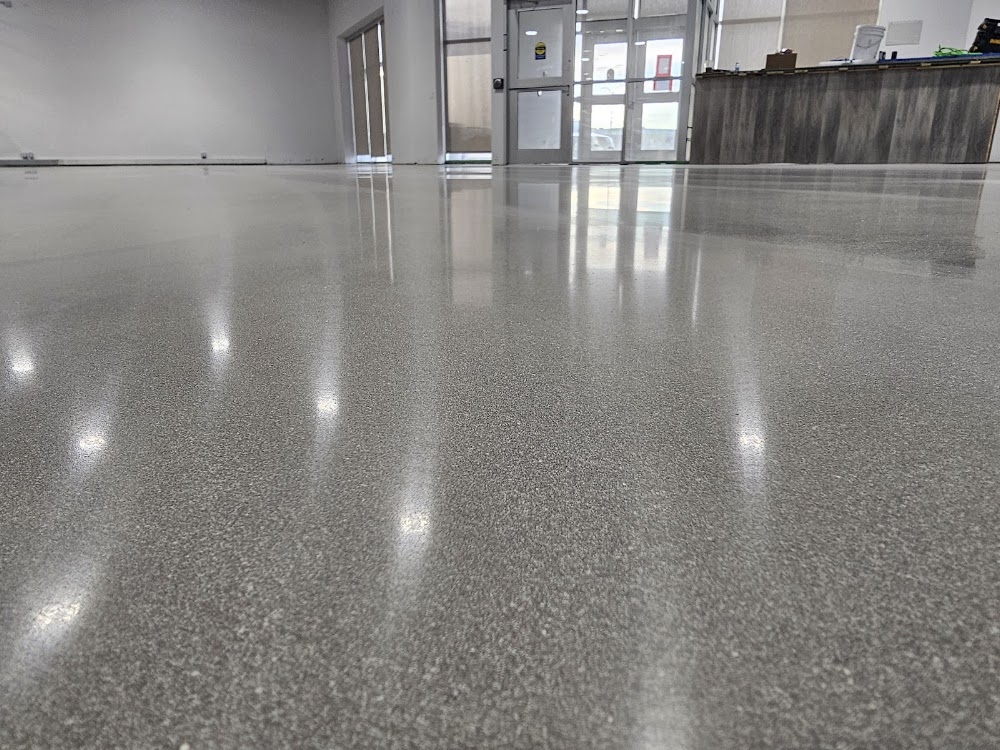
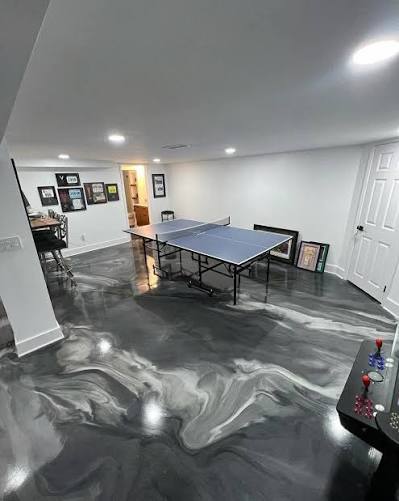
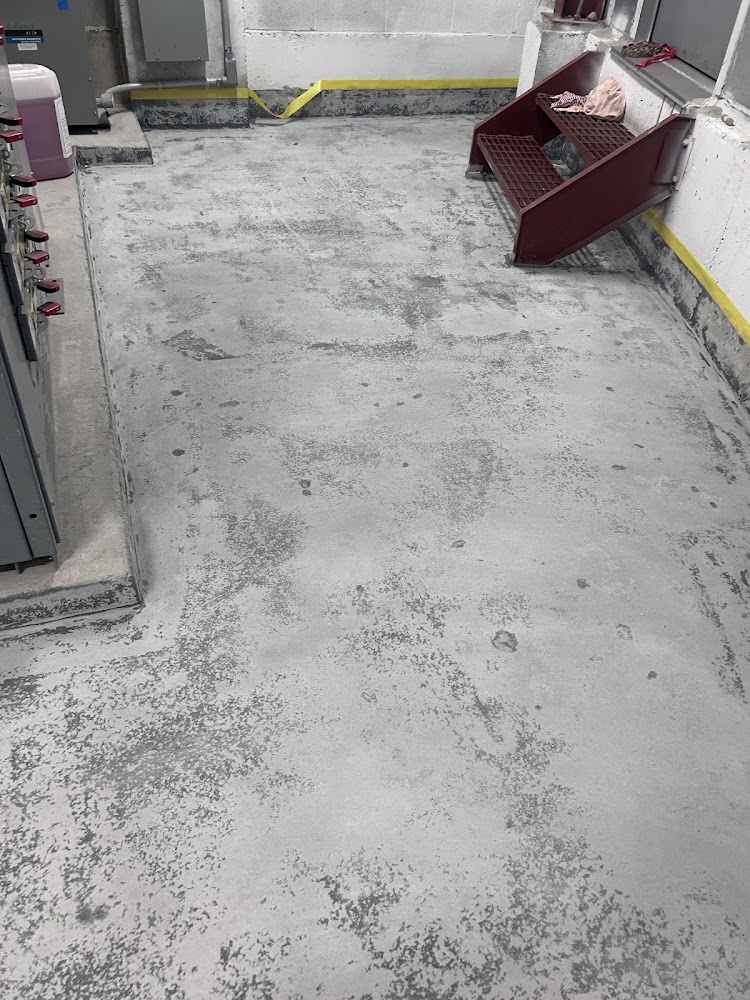
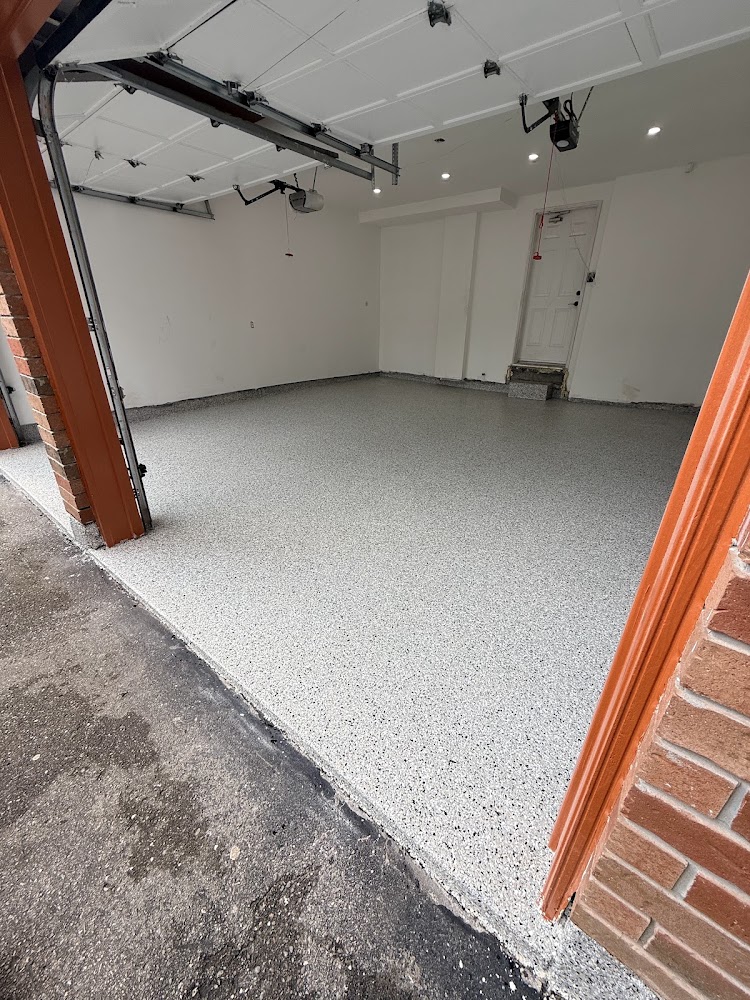
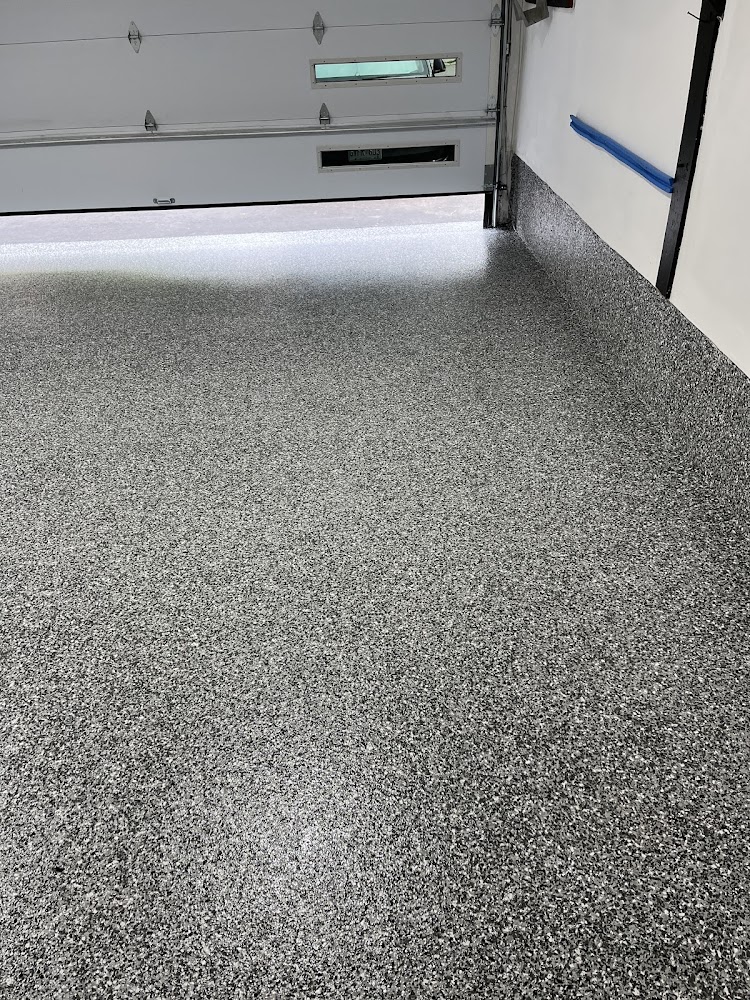
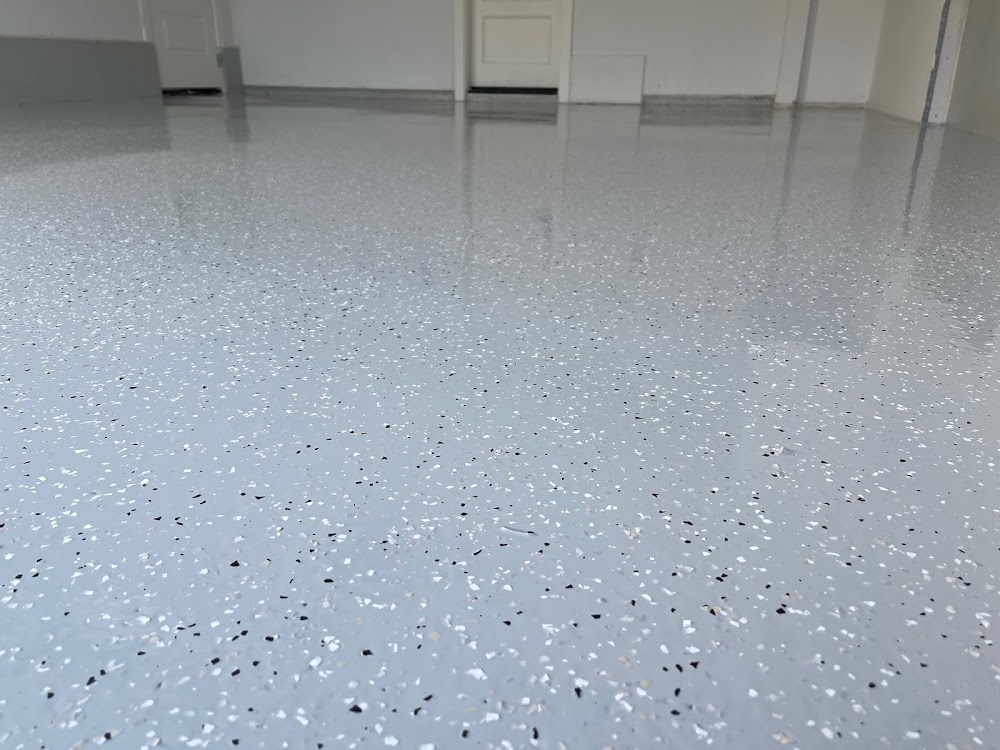
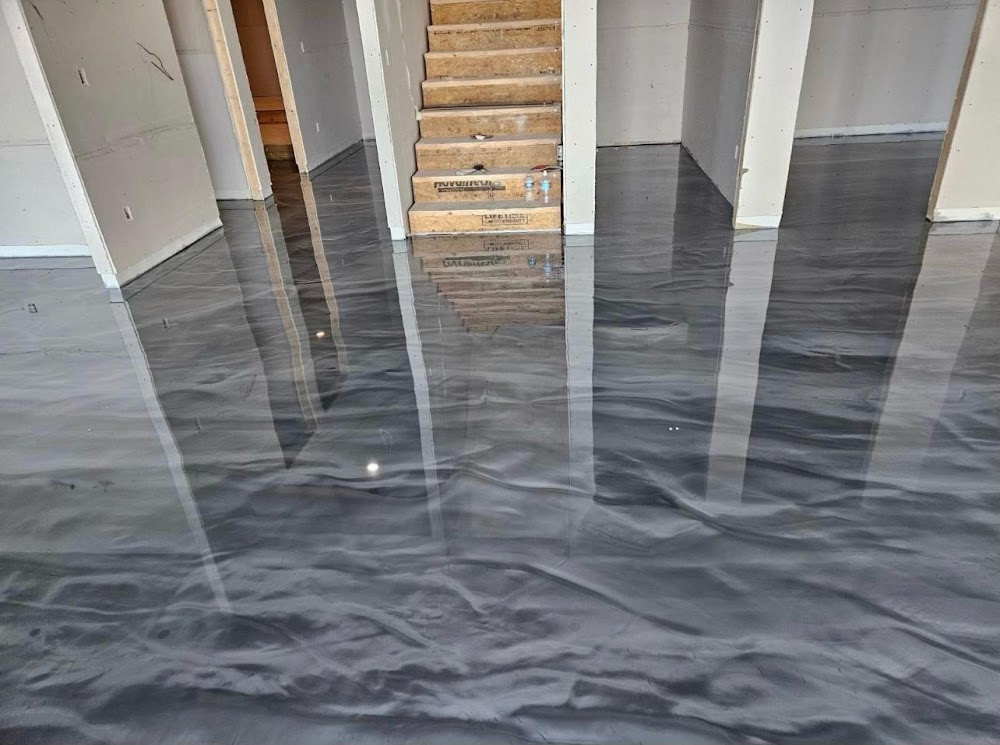
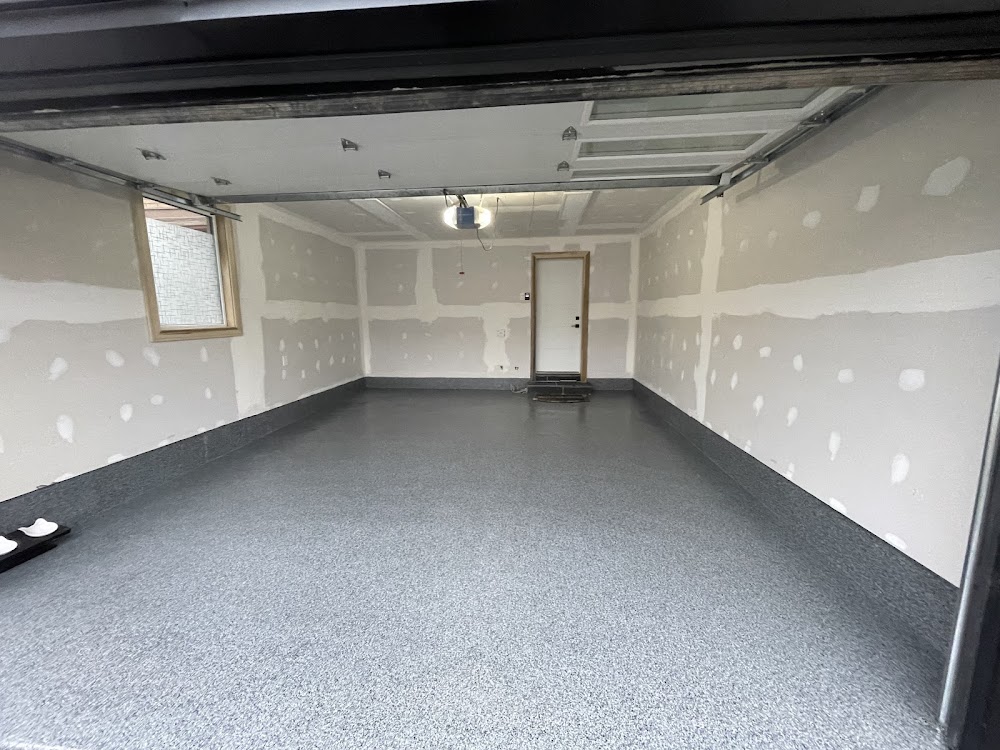
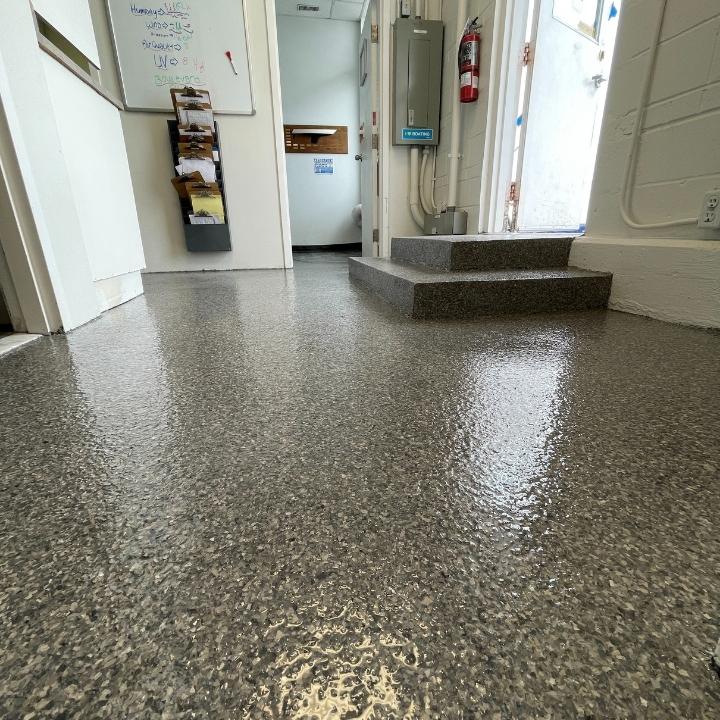
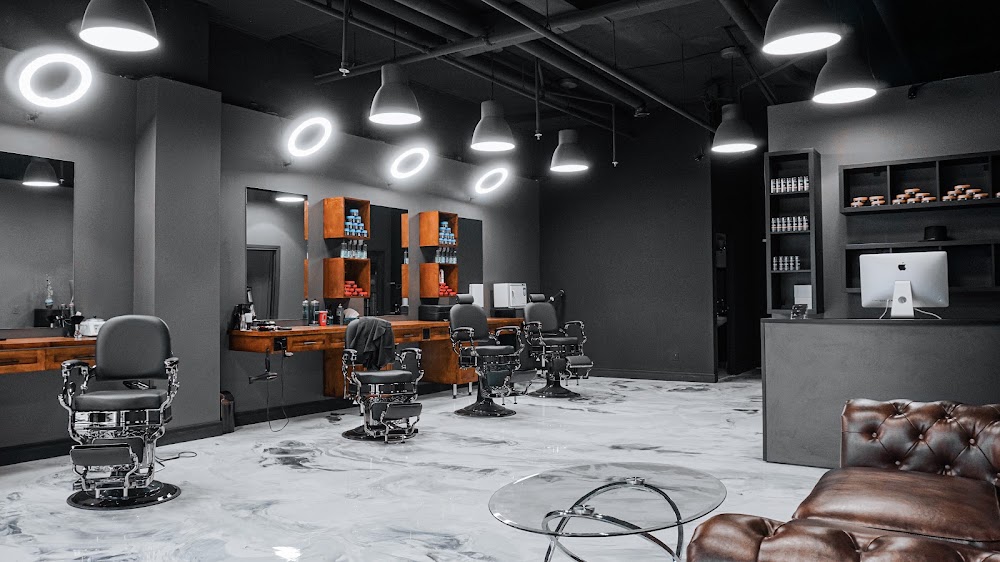
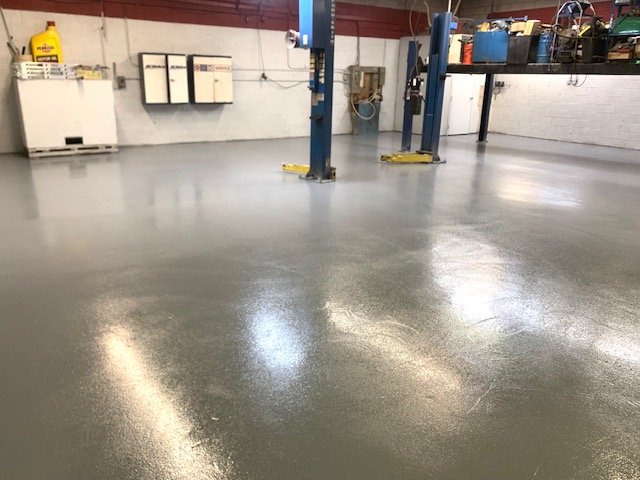
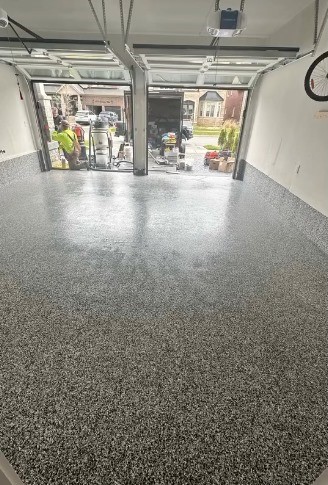
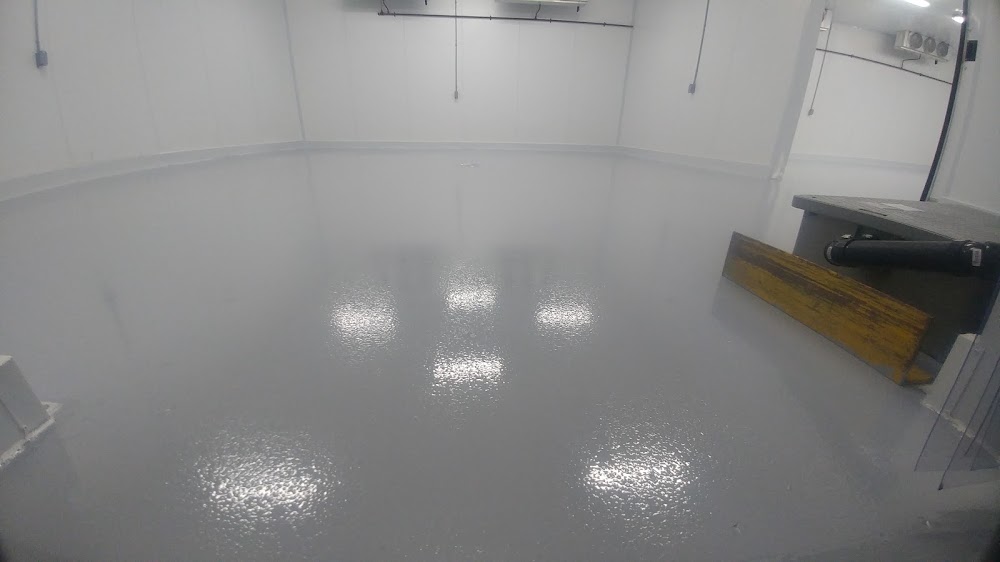
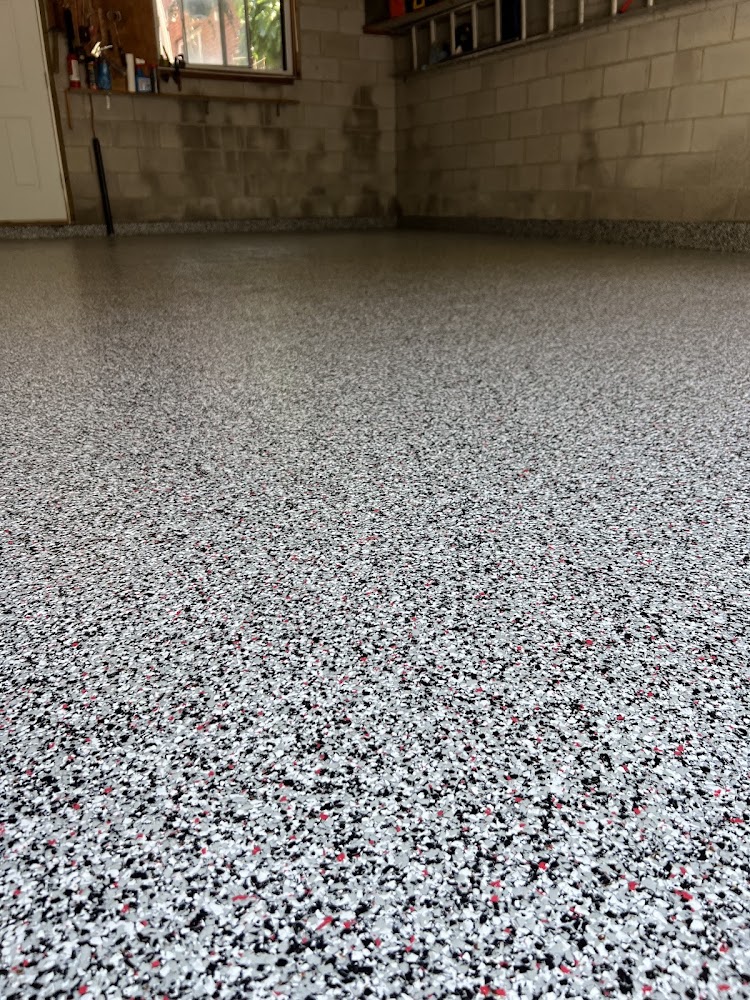
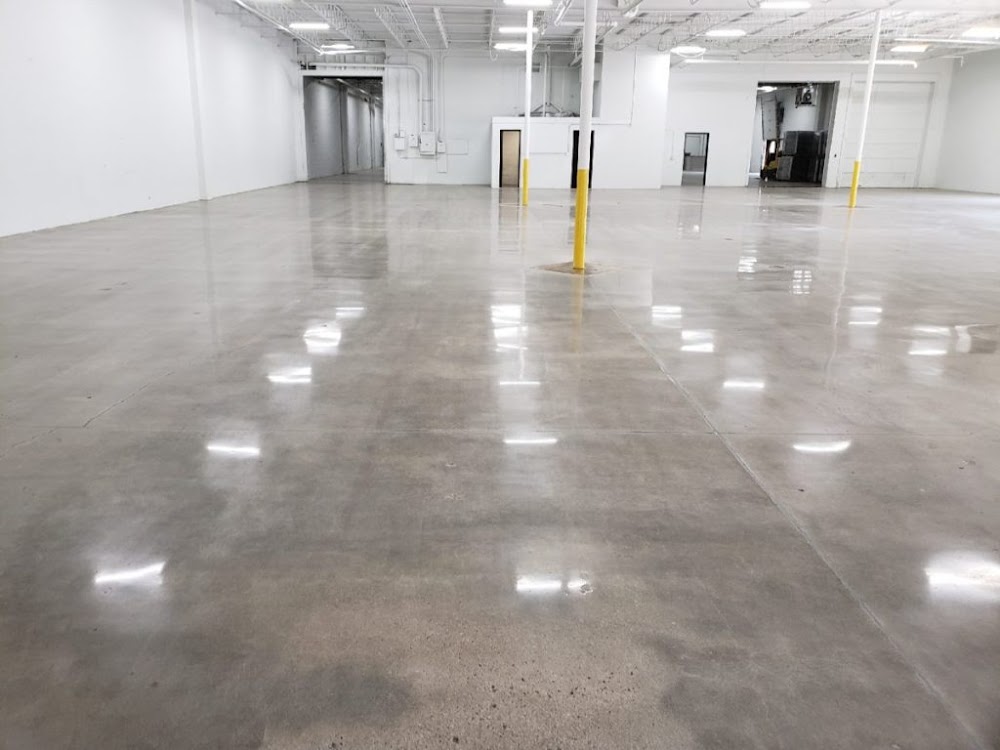

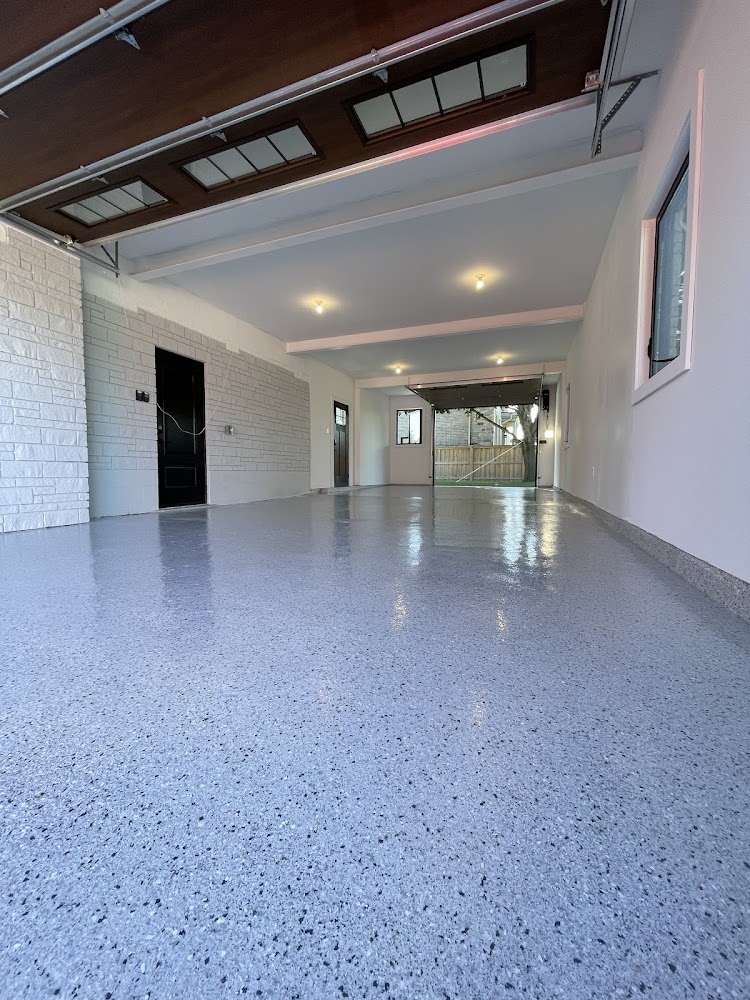
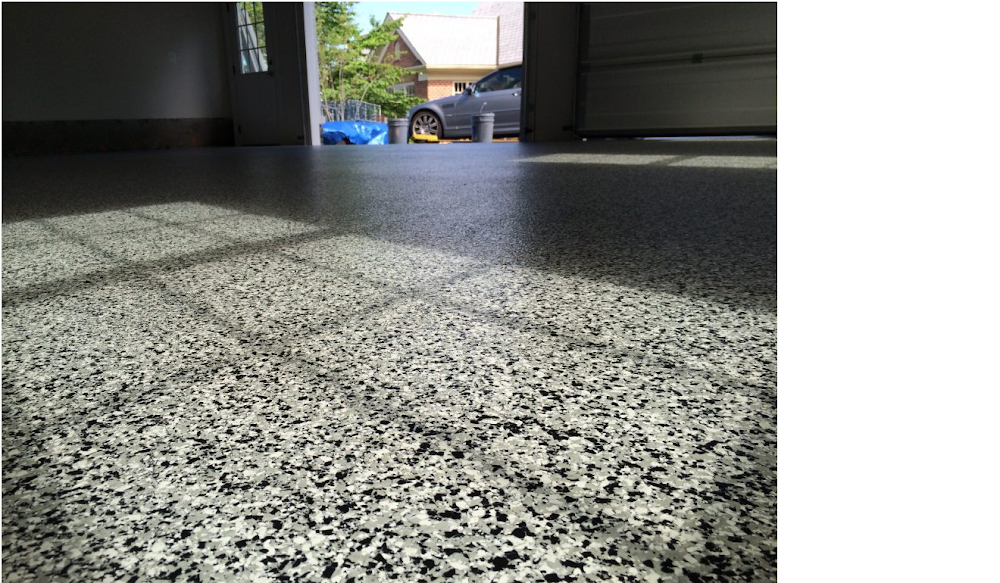
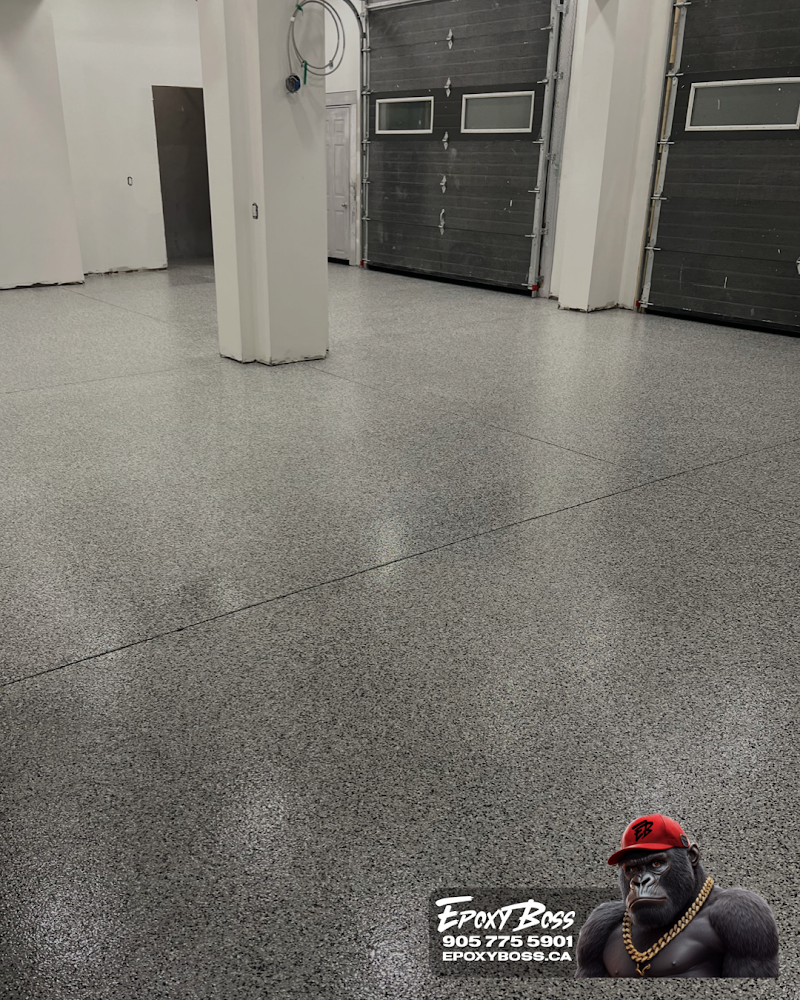
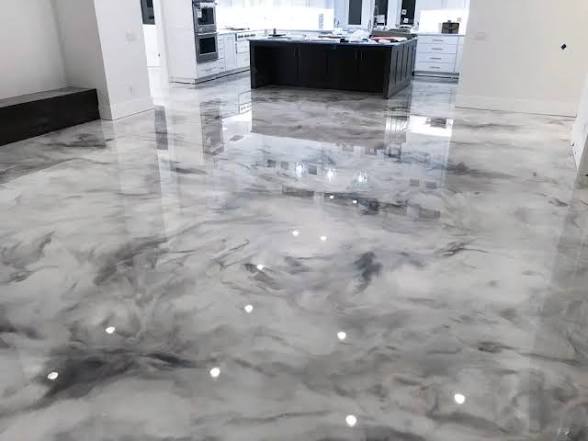
Your inquiry may be sent to partner providers who offer the service, and we may receive a referral fee. Rankings and scores are based solely on our published methodology and are never influenced by referral fees.
Common questions about commercial & industrial flooring
- How much does commercial epoxy flooring cost in Ontario?
- Most commercial and industrial jobs run higher per square foot than residential garages because of surface prep, thicker build systems, and after-hours or phased scheduling. Expect pricing to vary a lot based on square footage, whether the concrete needs repair, and whether you need chemical-resistant or heavy-duty traffic systems. Get at least three quotes with the surface prep method and coating thickness specified, since low bids often skip mechanical grinding or use thinner mil builds.
- How often does a commercial floor need to be redone?
- A well-installed industrial epoxy or polyaspartic floor typically holds up for 10 to 20 years depending on traffic load and chemical exposure, though high-traffic areas like forklift lanes or wash-down zones may need topcoat renewal sooner. Poor surface prep is the most common reason a floor fails early, often within a year or two, regardless of how good the coating product itself is.
- What should I expect during the installation process?
- Expect the crew to grind or shot-blast the concrete first, then apply primer and base coats with mandated cure times between layers, and finally a topcoat. Full cure to handle heavy traffic again can take several days, so ask upfront how the timeline fits around your operating hours and whether they can phase the work to keep part of the facility running.
- How can I judge the quality of a finished floor?
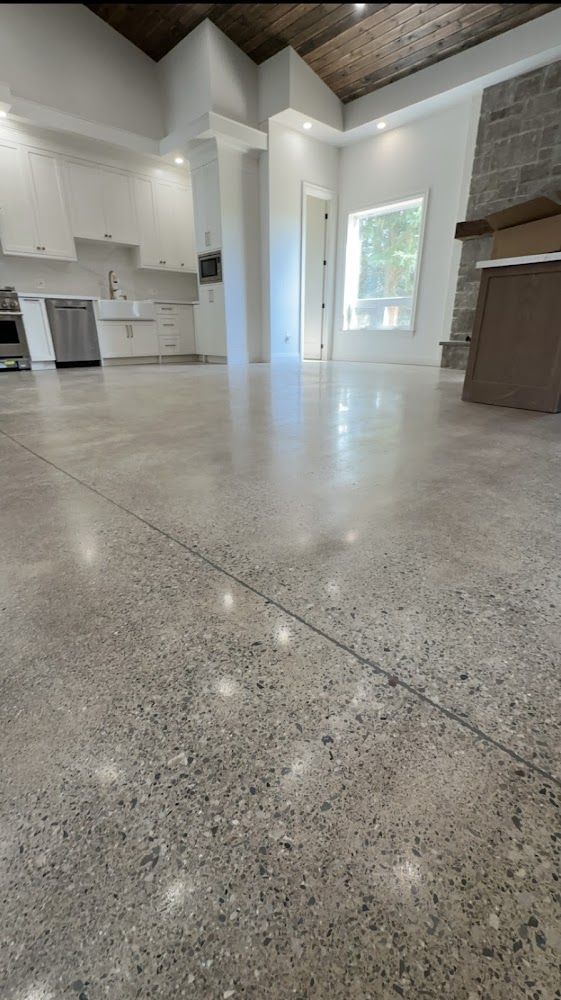
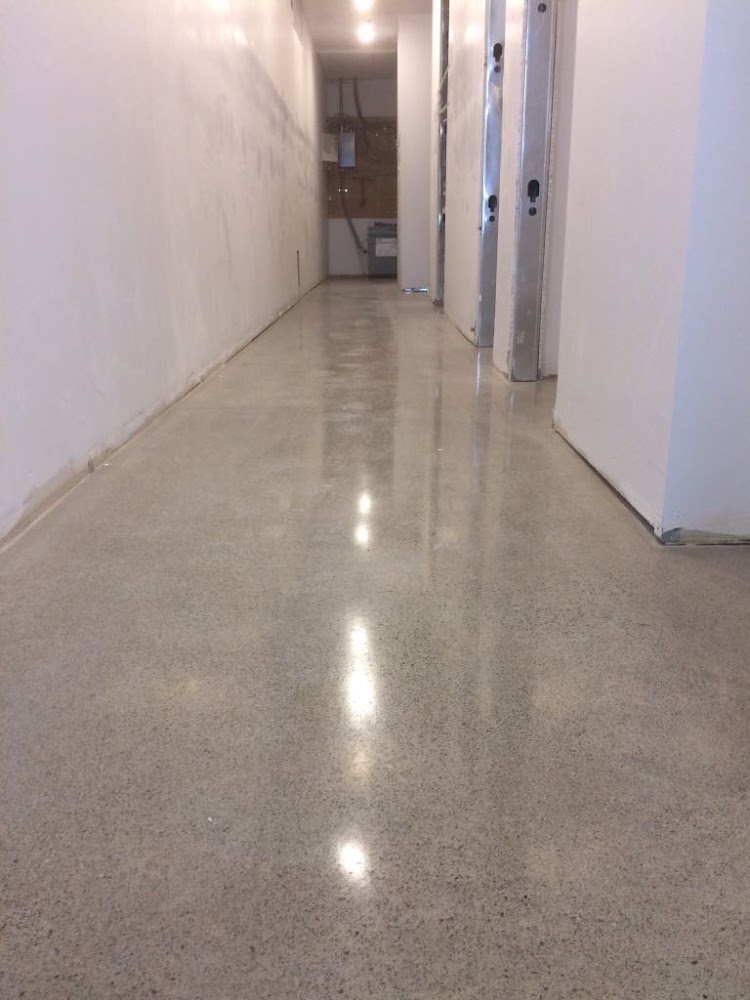
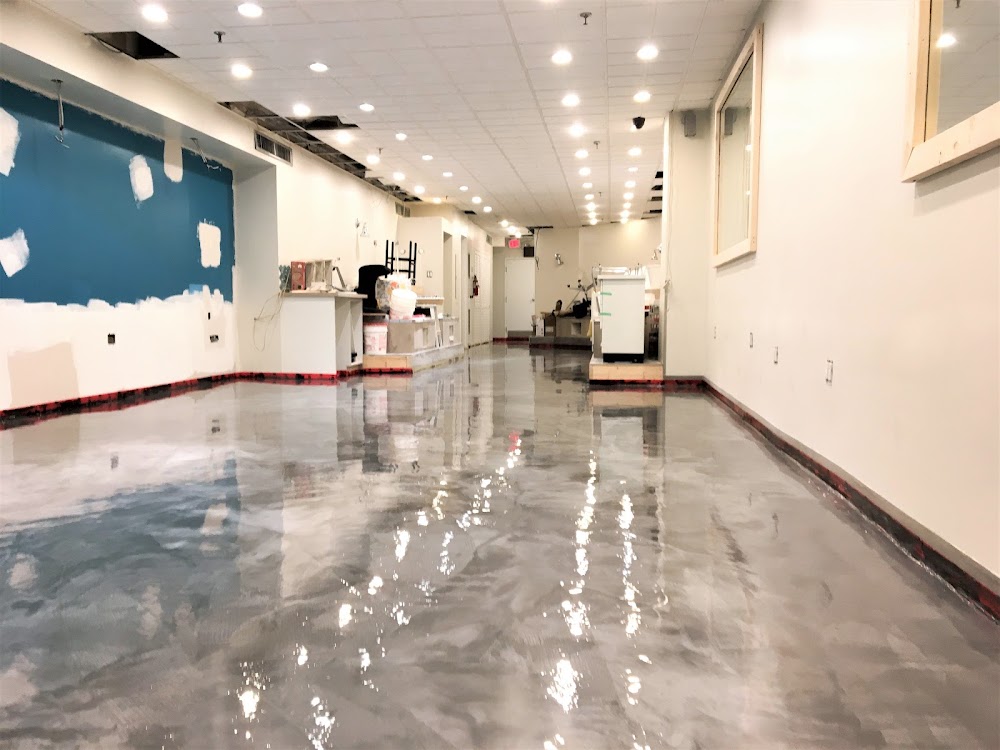
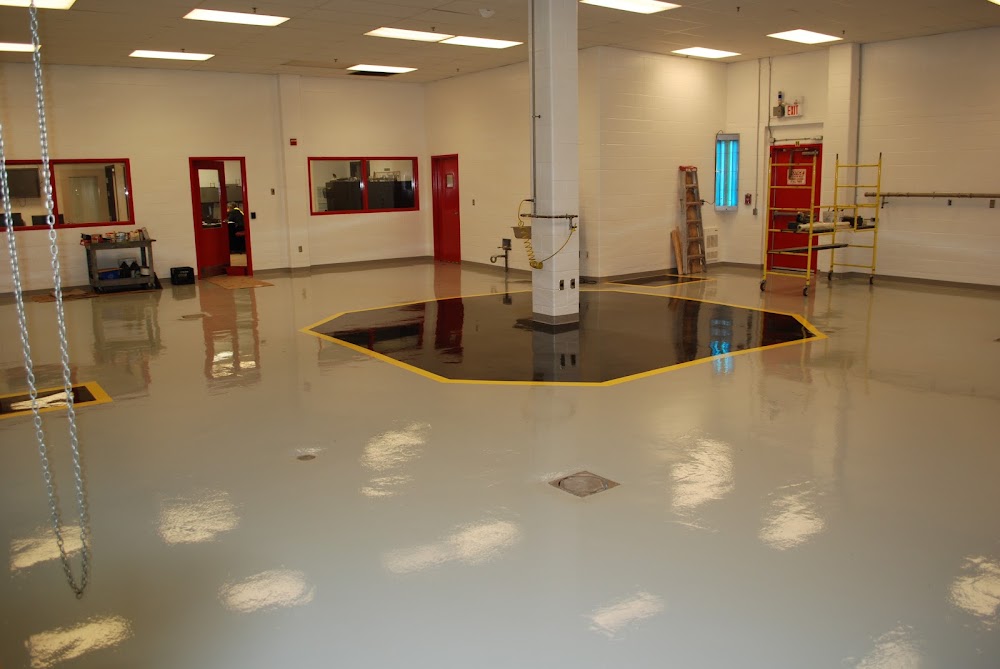
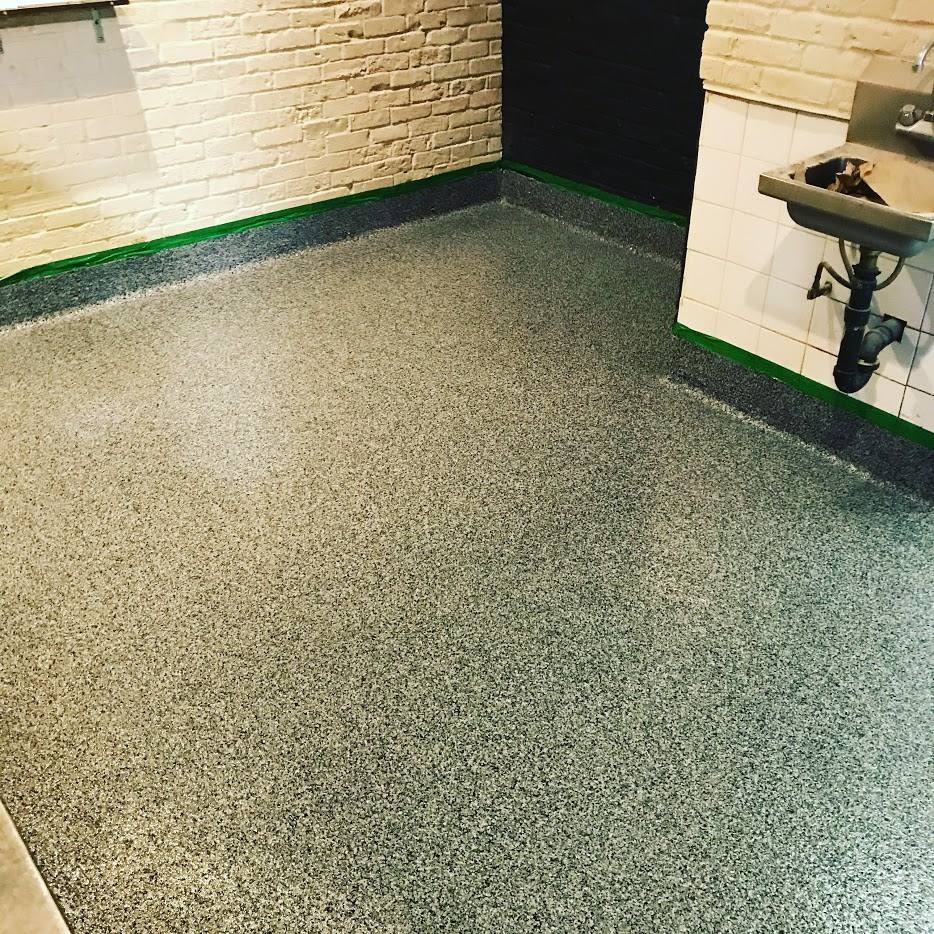
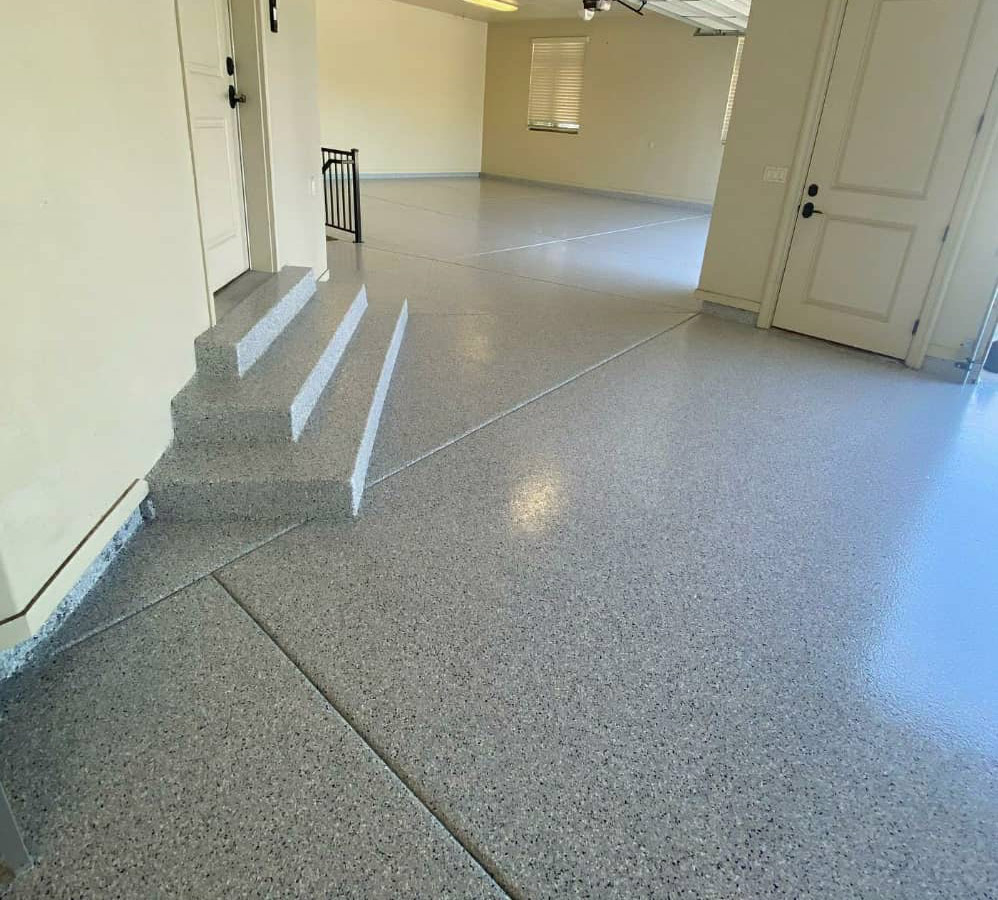
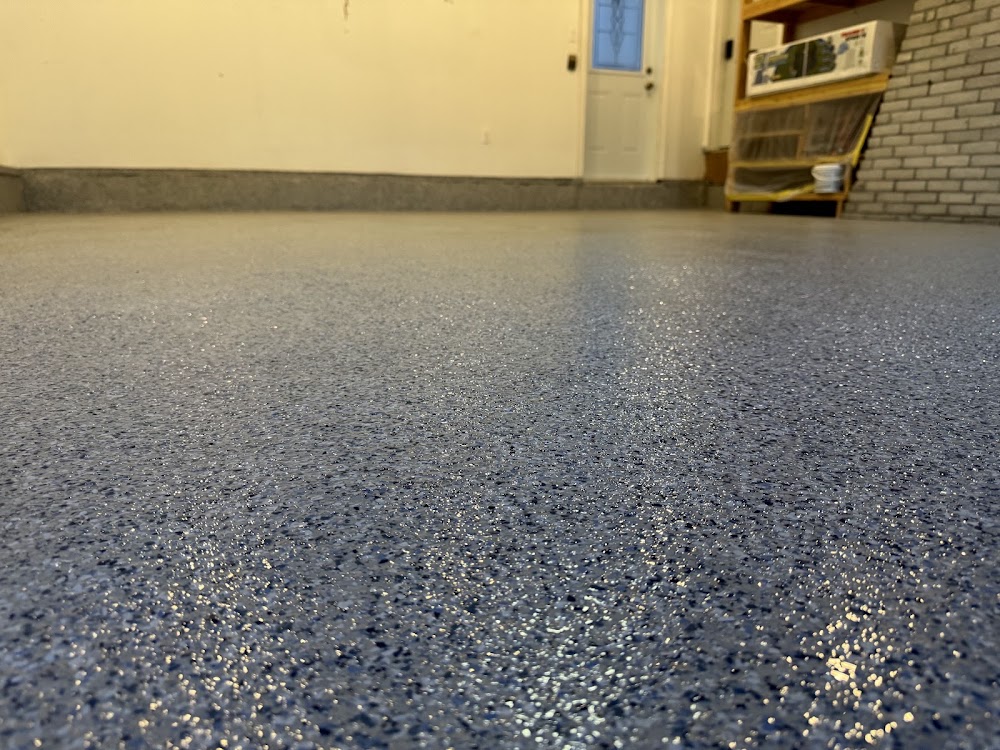
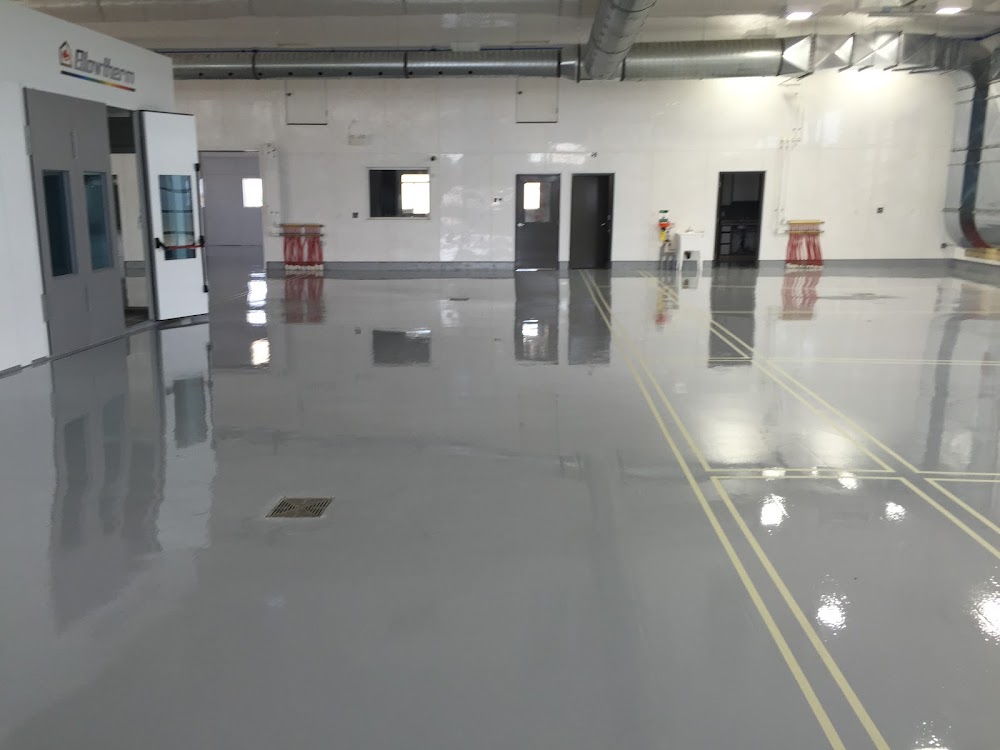
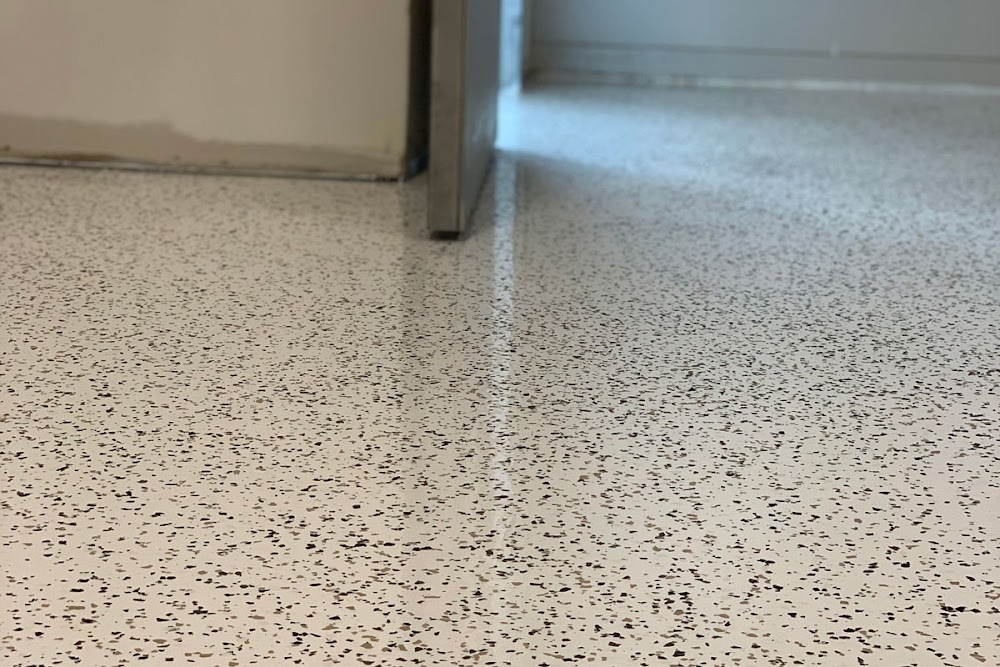
- Check for consistent color and texture with no bubbling, pinholes, or visible trowel marks, and look closely at transitions where the floor meets walls, drains, or equipment pads, since that's where delamination usually starts first. Ask what surface prep method was used and request documentation of concrete moisture testing, since that step is the single biggest predictor of long-term adhesion.
Guides to choosing commercial & industrial flooring
- Slip resistance and workplace safety for commercial and industrial epoxy floors
How slip-resistant epoxy additives work, when a facility needs them, and what to ask installers about workplace floor safety in Ontario.